

ABS Pellets Suppliers
ABS Pellets are a convenient feedstock form of Acrylonitrile Butadiene Styrene used in thermoplastic processing and manufacturing. ABS is widely used for molded products because suitable grades can provide a useful combination of toughness, rigidity, surface appearance and processing characteristics.
FCI Germany GMBH supplies ABS Pellets for manufacturers, distributors and commercial buyers seeking ABS material for automotive, appliance, electrical, electronics, consumer and industrial applications.
The appropriate pellet grade should be selected according to the processing method, component design and technical requirements of the finished product.
What Are ABS Pellets?
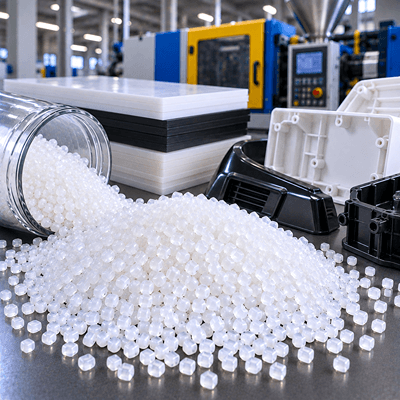
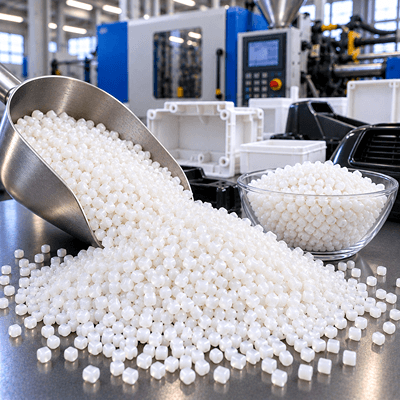
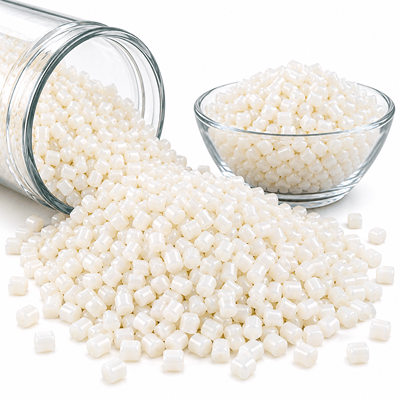
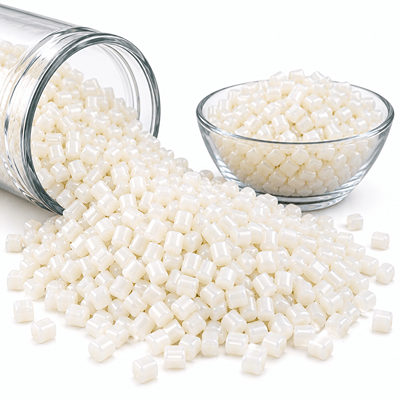
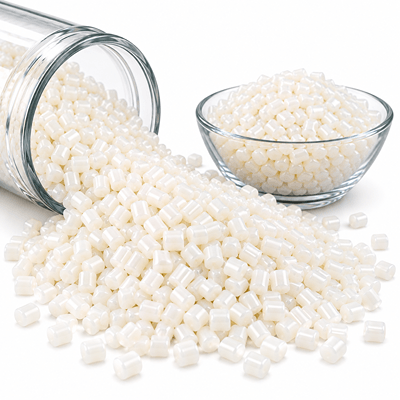
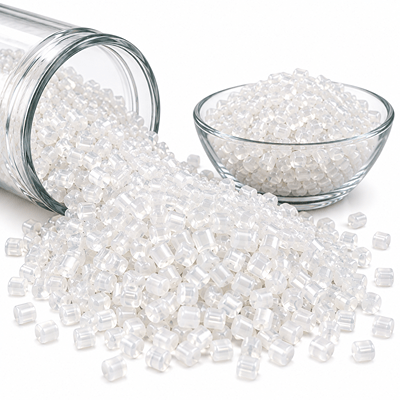
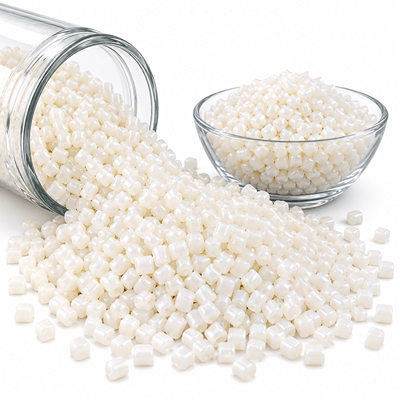
ABS Pellets are small, uniform polymer particles produced from ABS resin for use as a raw material in plastics processing.
ABS combines acrylonitrile, butadiene and styrene. Different formulations and grades can provide different balances of impact resistance, rigidity, flow behavior, surface appearance and other characteristics.
Pellet form is widely used because it provides a practical way to handle, store, transport and feed thermoplastic material into suitable processing equipment.
The exact properties of ABS Pellets depend on the selected grade and formulation. Buyers should therefore review the technical documentation for the specific material before production.
Key Characteristics of ABS Pellets
Depending on the grade, ABS Pellets can offer characteristics such as:
-
Good thermoplastic processability
-
Toughness
-
Rigidity
-
Impact performance
-
Surface appearance
-
Dimensional stability
-
Consistent material feeding
-
Suitability for molded products
Not every ABS pellet grade provides the same performance. Material selection should be based on the actual requirements of the finished component.
Applications of ABS Pellets
ABS Pellets can be used as feedstock for manufacturing a wide range of products, including:
-
Automotive components
-
Appliance housings
-
Electronic enclosures
-
Electrical components
-
Consumer products
-
Industrial equipment
-
Machine housings
-
Household products
-
Product covers and enclosures
-
Technical molded parts
The suitability of a particular pellet grade depends on the application and processing conditions.
ABS Pellets for Injection Molding
Injection molding is one of the major processing methods used with suitable ABS grades.
During injection molding, ABS pellets are fed into the processing equipment, melted and injected into a mold to produce the required component.
Important factors can include:
-
Pellet grade
-
Melt flow characteristics
-
Processing temperature
-
Injection conditions
-
Mold design
-
Part geometry
-
Wall thickness
-
Cooling conditions
-
Surface-finish requirements
Manufacturers should follow the processing recommendations provided for the selected ABS pellet grade.
ABS Pellets for Automotive Manufacturing
ABS Pellets can be used to manufacture selected automotive components where toughness, rigidity, appearance and processing characteristics are required.
Potential applications include interior components, housings, covers, trim-related parts and other molded products.
Automotive applications may have specific requirements for temperature resistance, impact performance, chemical exposure and regulatory compliance. The selected ABS grade should therefore be evaluated against the applicable specifications.
ABS Pellets for Appliances and Consumer Products
ABS is widely used in consumer and appliance manufacturing, making ABS Pellets a practical feedstock for producing suitable molded products.
Potential applications include:
-
Appliance housings
-
Equipment covers
-
Household products
-
Electronic product enclosures
-
Consumer product components
-
Protective covers
The selected grade should match the required appearance, rigidity, toughness and processing characteristics of the finished product.
ABS Pellets for Electrical and Electronics
Suitable ABS Pellets can be processed into housings, covers and other electrical or electronic components.
Depending on the end use, manufacturers may need to consider additional requirements such as electrical characteristics, flame behavior, dimensional stability and regulatory compliance.
These properties are grade-specific and should be confirmed through the technical documentation for the selected ABS material.
Handling and Storage of ABS Pellets
Proper material handling helps manufacturers maintain consistent production conditions.
ABS Pellets should be stored and handled according to the recommendations provided for the specific grade. Protection from contamination and unsuitable storage conditions can help maintain material quality before processing.
Manufacturers should also follow any applicable material preparation or drying recommendations supplied with the selected product.
Selecting the Right ABS Pellets
Choosing ABS Pellets involves more than selecting the ABS polymer family.
Consider:
-
Intended application
-
Injection molding or other processing method
-
Required flow characteristics
-
Impact requirements
-
Rigidity
-
Surface appearance
-
Component geometry
-
Operating environment
-
Temperature exposure
-
Chemical exposure
-
Color or formulation requirements
-
Virgin or recycled material requirements
-
Required quantity
The technical specifications of the individual grade should be compared with the requirements of the finished product.
ABS Pellets Compared With Other ABS Forms
ABS is available in several commercial forms, including resin, granules and pellets.
ABS Pellets are particularly useful as a practical feedstock form for thermoplastic processing. However, the physical form alone does not determine performance. The polymer grade and formulation remain the primary factors influencing the characteristics of the processed material.
Why Source ABS Pellets from FCI Germany GMBH?
FCI Germany GMBH supplies ABS Pellets as part of its broader ABS, ASA and SAN plastics portfolio.
We work with international manufacturers, distributors and commercial buyers seeking polymer materials for different production and sourcing requirements. By understanding the application, preferred grade, quantity and destination, we can approach each inquiry according to the buyer's specific needs.
Request ABS Pellets Information
If you are sourcing ABS Pellets for injection molding, automotive components, appliances, electronics, consumer products or industrial manufacturing, contact FCI Germany GMBH with your requirements.
Provide the intended application, preferred grade if known, quantity and destination. Our team can review the requirement and discuss suitable ABS pellet supply options.
FAQs About ABS Pellets
What are ABS Pellets?
ABS Pellets are a pelletized form of Acrylonitrile Butadiene Styrene thermoplastic used as feedstock for plastics processing and manufacturing.
What are ABS Pellets used for?
ABS Pellets can be processed into automotive components, appliance housings, electronic enclosures, consumer products, industrial parts and other molded plastic products.
Are ABS Pellets suitable for injection molding?
Suitable ABS pellet grades are widely used for injection molding. The appropriate processing conditions depend on the specific grade and equipment.
What is the difference between ABS Pellets and ABS Granules?
Both terms can describe small polymer feedstock particles, and terminology can vary between suppliers and markets. The important consideration is the specific ABS grade, formulation and technical specification rather than the name of the physical form alone.
How should ABS Pellets be stored?
ABS Pellets should be stored according to the manufacturer's recommendations and protected from contamination and unsuitable environmental conditions. Any specific material preparation requirements should be confirmed from the product documentation.
How do I choose the right ABS Pellet grade?
Consider the application, processing method, flow characteristics, impact requirements, rigidity, appearance, operating environment and component design. The technical data of the specific grade should be reviewed before final selection.