

Recycled PET Suppliers
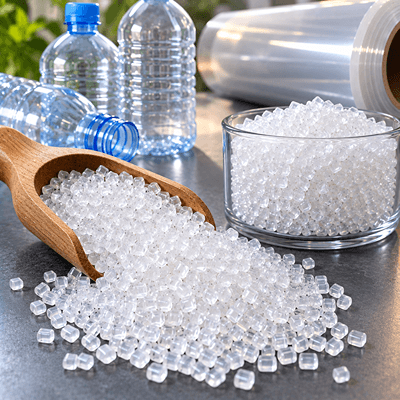
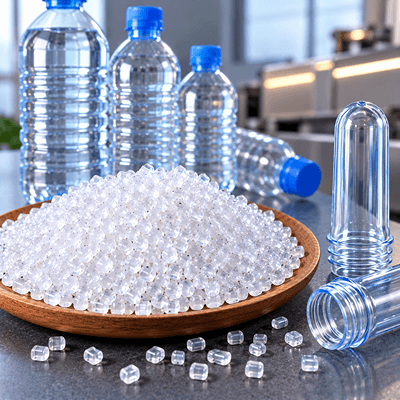
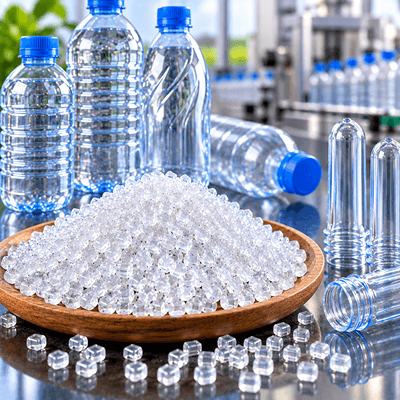
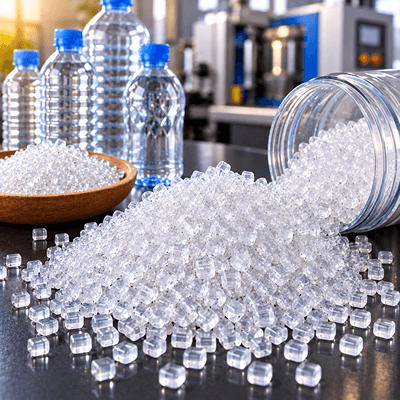
Recycled PET, commonly referred to as rPET, is polyethylene terephthalate recovered and processed for use in new manufacturing applications. It provides manufacturers with an alternative to relying exclusively on virgin PET while supporting the reuse of recovered plastic materials.
FCI Germany GMBH supplies Recycled PET for manufacturers, recyclers, processors, distributors and commercial buyers seeking recycled polymer materials for packaging, polyester fiber, sheet, strapping and other applications.
The suitability of Recycled PET depends on its source, processing history, quality, consistency and the requirements of the intended end product.
What Is Recycled PET?
Recycled PET is polyethylene terephthalate that has been recovered from used or discarded PET products and processed for further use.
PET is commonly found in bottles, containers, packaging and polyester products. Through collection, sorting, cleaning and recycling processes, suitable PET waste can be converted into recycled material for new manufacturing applications.
Recycled PET is not automatically identical to virgin PET. Its characteristics depend on the original material, collection and sorting processes, contamination, recycling technology and subsequent processing.
Key Considerations for Recycled PET
When sourcing Recycled PET, buyers may need to evaluate:
-
Material source
-
Recycled content
-
Color
-
Cleanliness
-
Contamination level
-
Processing history
-
Material consistency
-
Moisture
-
Intended end use
-
Applicable regulatory requirements
These factors can influence whether a particular Recycled PET material is appropriate for a specific manufacturing process.
Applications of Recycled PET
Recycled PET can be used in various manufacturing applications, including:
-
Polyester fiber
-
Textile-related products
-
Plastic sheet
-
Strapping
-
Packaging-related materials
-
Recycled plastic products
-
Industrial materials
-
PET-based manufactured products
The actual application depends on the quality and specification of the recycled material and the requirements of the downstream process.
Recycled PET for Polyester Fiber
One of the established applications for recycled PET is polyester fiber production.
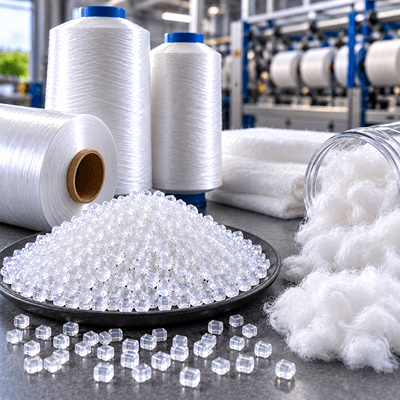
Suitable recycled PET can be processed into polyester materials for textile fibers, nonwoven products and other applications. Fiber manufacturers should evaluate the consistency, cleanliness and technical characteristics of the recycled material against their production requirements.
Recycled PET can help incorporate recovered plastic content into polyester products where the material specification is appropriate.
Recycled PET for Packaging
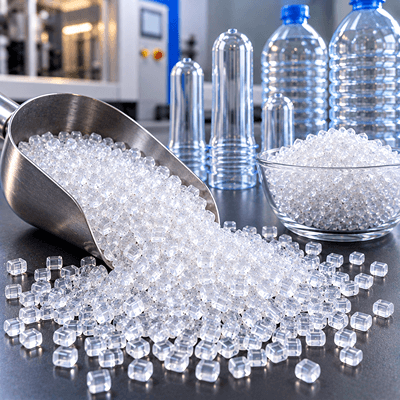
Recycled PET can be used in selected packaging applications where the material meets the necessary technical and regulatory requirements.
However, not every recycled PET material is automatically suitable for food-contact packaging. Such applications may require specific recycling processes, quality controls and regulatory compliance.
Buyers should verify the suitability and compliance of the specific Recycled PET material for the intended market and application.
Recycled PET for Sheet and Strapping
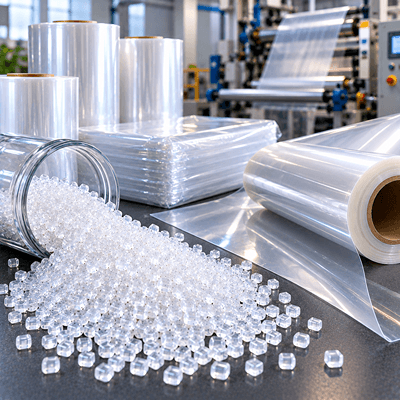
Suitable recycled PET can also be processed into sheet, strapping and other industrial products.
These applications can require consistent material characteristics to support stable processing and finished-product quality. Buyers should therefore specify the material requirements of their equipment and end product when sourcing recycled PET.
Recycled PET and PET Flakes
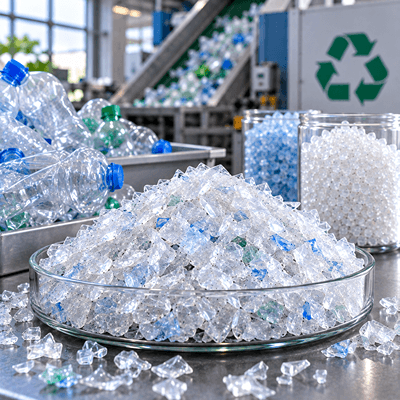
PET Flakes are one form of processed recovered PET and can serve as feedstock for further recycling and manufacturing.
Recycled PET is a broader material category that can include processed recycled PET materials in forms suitable for different downstream applications.
The terms and physical forms used in commercial markets can vary, so buyers should confirm the exact material specification, processing history and intended application before sourcing.
Recycled PET Processing
Depending on the material form and end application, Recycled PET can undergo additional processing such as:
-
Sorting
-
Washing
-
Drying
-
Separation
-
Extrusion
-
Filtration
-
Pelletization
-
Fiber production
-
Sheet production
-
Strapping production
The appropriate processing route depends on the quality of the recycled material and the requirements of the final product.
Selecting the Right Recycled PET
Material selection should be based on the requirements of the finished product and the capabilities of the processing operation.
Important factors include:
-
Source of recovered PET
-
Recycled content
-
Color
-
Cleanliness
-
Contamination tolerance
-
Moisture
-
Processing history
-
Required material consistency
-
Intended processing method
-
End-product requirements
-
Regulatory requirements
-
Required quantity
A clearly defined material specification can help buyers compare recycled PET options more effectively.
Recycled PET vs Virgin PET
Virgin PET is produced as new polymer material, while Recycled PET originates from previously used PET products.
Recycled PET can reduce reliance on virgin polymer in applications where recycled material is technically and commercially appropriate. However, recycled material can have different characteristics depending on its source and processing history.
Manufacturers should evaluate recycled PET according to the requirements of their particular product rather than assuming it will perform identically to virgin PET.
Industries Using Recycled PET
Recycled PET can support businesses across several sectors, including:
-
Plastic recycling
-
Textile and fiber manufacturing
-
Packaging
-
Sheet manufacturing
-
Strapping production
-
Consumer products
-
Industrial materials processing
-
Recycled polymer manufacturing
Different industries require different material specifications, so application-specific evaluation remains important.
Why Source Recycled PET from FCI Germany GMBH?
FCI Germany GMBH supplies Recycled PET as part of its wider PET and recycled plastics portfolio.
Our approach focuses on understanding the buyer's material requirements, intended application, quantity and destination before discussing suitable supply options. This helps manufacturers, recyclers, processors and distributors approach recycled polymer sourcing according to their actual production needs.
Request Recycled PET Information
If you are sourcing Recycled PET for fiber, packaging, sheet, strapping or other manufacturing applications, contact FCI Germany GMBH with your requirements.
Provide the preferred recycled PET specification, intended application, required quantity and destination. Our team can review the inquiry and discuss suitable Recycled PET supply options.
FAQs About Recycled PET
What is Recycled PET?
Recycled PET, or rPET, is polyethylene terephthalate recovered from used PET products and processed for use in new manufacturing applications.
What is Recycled PET used for?
Recycled PET can be used for polyester fiber, textile-related products, sheet, strapping, packaging-related materials and other PET-based products.
Is Recycled PET the same as virgin PET?
No. Virgin PET is newly manufactured polymer, while Recycled PET originates from recovered PET. The properties of recycled material depend on its source and recycling process.
Can Recycled PET be used for food packaging?
Some recycled PET materials may be suitable for specific food-contact applications when the material, recycling process and finished product meet the applicable regulatory requirements. Suitability must be verified for the specific material and market.
What is the difference between Recycled PET and PET Flakes?
PET Flakes are a physical form of processed recovered PET, while Recycled PET is a broader term for PET material that has been recovered and processed for reuse. The exact specification and processing history should be confirmed when sourcing.
How do I select the right Recycled PET material?
Consider the source, recycled content, color, cleanliness, contamination, processing history, intended application, processing method and applicable regulations. The technical specification of the material should be evaluated before production use.