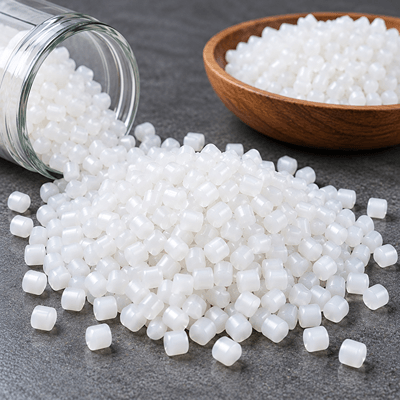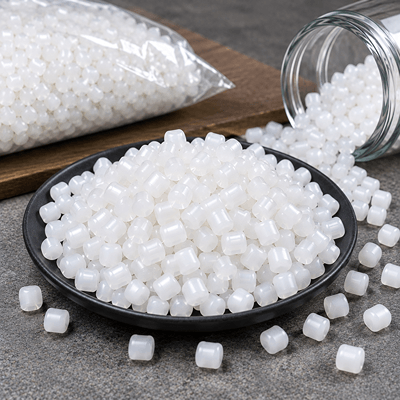


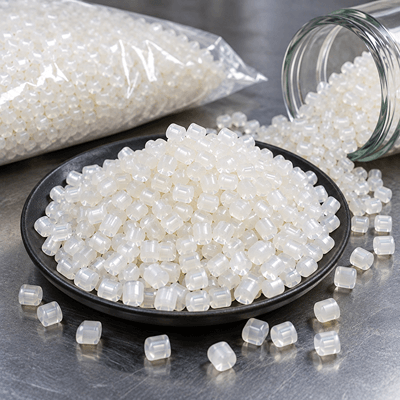
Nylon 6 Suppliers
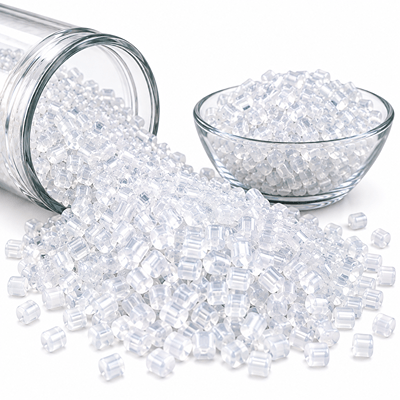
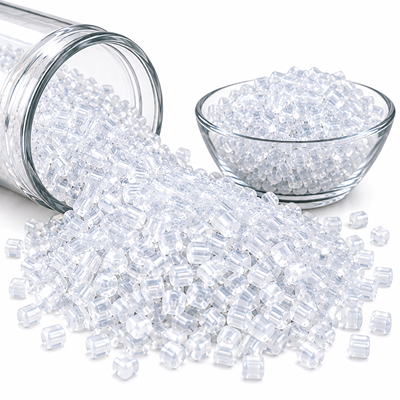
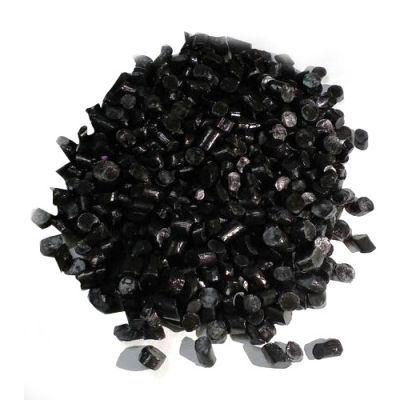
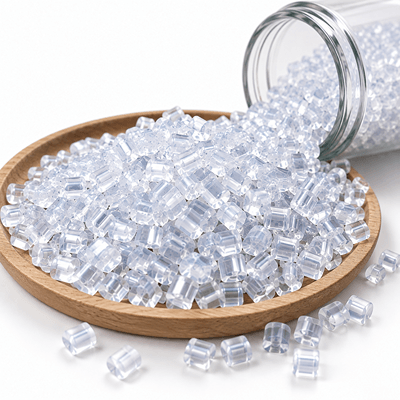
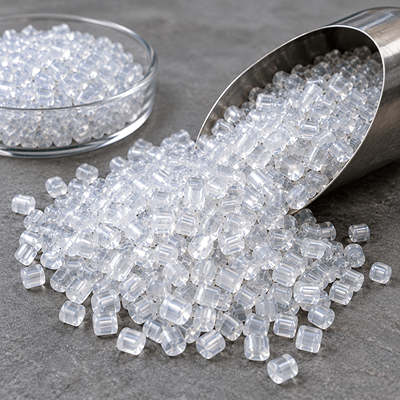
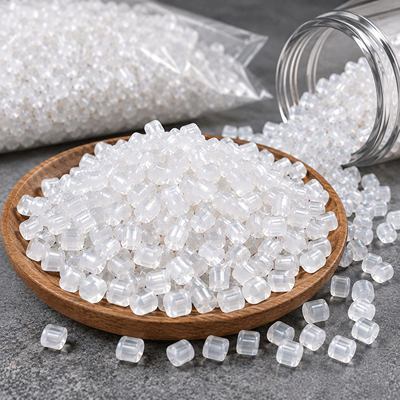
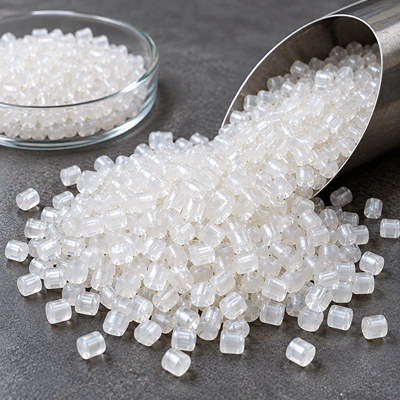
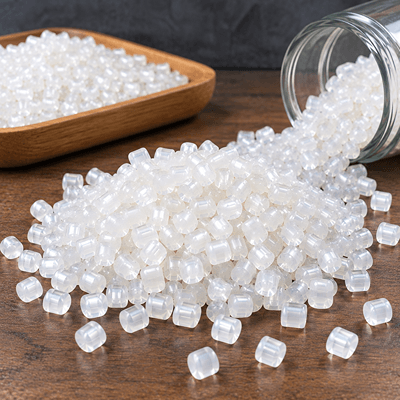
Nylon 6 is an engineering thermoplastic also known as Polyamide 6 or PA6. It is used in applications where a combination of mechanical strength, toughness, wear resistance and suitable processing characteristics may be required.
Nylon 6 can be processed into molded and formed components for automotive, electrical, industrial, consumer and other applications. The appropriate grade depends on the processing method, product design, operating environment and required material characteristics.
Applications of Nylon 6
Nylon 6 can be considered for a variety of engineering plastic applications, including:
-
Automotive components
-
Electrical and electronic parts
-
Mechanical components
-
Gears and moving parts
-
Bushings and bearing components
-
Industrial products
-
Appliance components
-
Cable-related components
-
Housings and structural parts
-
General engineering products
The specific grade should be selected according to the intended application and processing requirements.
Nylon 6 for Automotive Components
Suitable Nylon 6 grades can be used for selected automotive components where strength, toughness, wear resistance and dimensional requirements are relevant.
Potential applications include brackets, clips, housings, mechanical parts and other molded components. Manufacturers should evaluate temperature exposure, mechanical loads, moisture and other service conditions before selecting a grade.
Nylon 6 for Electrical and Electronic Components
Nylon 6 can be considered for suitable electrical and electronic components such as housings, connectors, cable-related parts and other molded products.
For applications involving electrical insulation, flame requirements or specific regulatory standards, the technical characteristics and compliance information for the selected grade should be verified.
Nylon 6 for Mechanical Components
Suitable Nylon 6 materials can be used for mechanical components such as gears, bushings, guides and other parts where strength and wear-related characteristics are important.
Material selection should account for mechanical loads, friction, operating temperature, moisture exposure and dimensional requirements.
Key Factors When Selecting Nylon 6
When sourcing Nylon 6, manufacturers should consider:
-
Intended application
-
Processing method
-
Required PA6 grade
-
Melt-flow characteristics
-
Mechanical requirements
-
Wear requirements
-
Operating temperature
-
Moisture exposure
-
Dimensional requirements
-
Surface requirements
-
Regulatory requirements where applicable
-
Quantity and destination
The technical documentation for the selected grade should be reviewed before production.
Processing Nylon 6
Suitable Nylon 6 grades can be processed using thermoplastic manufacturing methods such as injection molding and other appropriate technologies.
Because polyamide materials can be affected by moisture, proper storage, handling and material preparation are important before processing. Manufacturers should follow the processing recommendations provided for the selected grade.
Actual processing conditions depend on the material, equipment, mold design and finished-product requirements.
Nylon 6 vs PA6
Nylon 6 and PA6 refer to the same polymer, Polyamide 6.
The terms are commonly used interchangeably in plastics sourcing. However, buyers should specify the required grade because different PA6 materials can be designed for different processing methods and applications.
Nylon 6 vs Nylon 66
Nylon 6 and Nylon 66 are different polyamide engineering plastics with different molecular structures and material characteristics.
Nylon 6 can provide a useful balance of toughness, strength and processability, while Nylon 66 offers a different combination of stiffness, mechanical and temperature-related characteristics.
The appropriate material depends on the intended application and required performance.
Nylon 6 vs General Engineering Plastics
Nylon 6 is one specific member of the engineering plastics family. Other engineering polymers can provide different combinations of mechanical, thermal, chemical, optical and processing characteristics.
Material selection should therefore be based on the actual requirements of the finished product rather than simply choosing an engineering plastic category.
Industries Using Nylon 6
Nylon 6 can be relevant to manufacturers and converters in:
-
Automotive
-
Electrical and electronics
-
Machinery
-
Industrial manufacturing
-
Appliances
-
Consumer products
-
Engineering components
-
General plastics processing
Why Source Nylon 6 from FCI Germany GMBH?
FCI Germany GMBH supplies engineering plastics alongside commodity and specialty polymer materials.
For Nylon 6 inquiries, buyers can provide the intended application, processing method, required material characteristics, quantity and destination. This helps establish the material requirements before discussing suitable supply options.
Request Nylon 6
If you are sourcing Nylon 6 for automotive components, electrical parts, mechanical products, industrial components or other engineering applications, contact FCI Germany GMBH with your requirements.
Share the intended application, processing method, approximate quantity and destination so your Nylon 6 material requirement can be evaluated appropriately.
FAQs About Nylon 6
What is Nylon 6?
Nylon 6 is an engineering thermoplastic also known as Polyamide 6 or PA6.
What is Nylon 6 used for?
Nylon 6 can be used for suitable automotive, electrical, mechanical, industrial, appliance and consumer-product applications.
Is Nylon 6 the same as PA6?
Yes. PA6 stands for Polyamide 6, which is commonly known as Nylon 6.
Can Nylon 6 be injection molded?
Yes, suitable Nylon 6 grades can be processed through injection molding to manufacture engineering components and other molded products.
What is the difference between Nylon 6 and Nylon 66?
Nylon 6 and Nylon 66 are different polyamide materials with different molecular structures and characteristics. The appropriate choice depends on the application's required properties.
Does FCI Germany GMBH supply Nylon 6 internationally?
FCI Germany GMBH serves international buyers and can discuss Nylon 6 requirements based on application, processing method, quantity and destination.