

PMMA & Acrylic Resins Suppliers
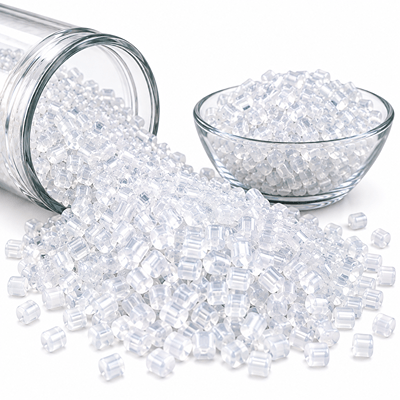
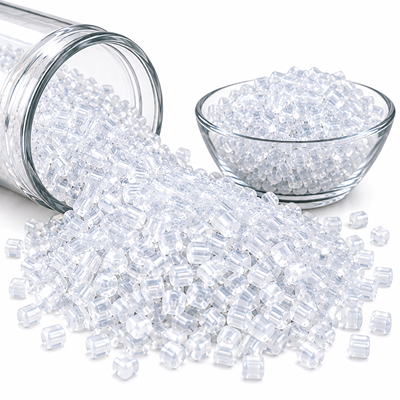
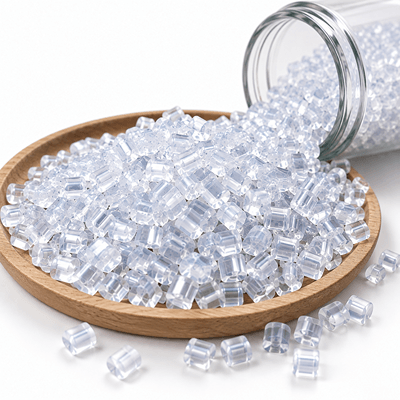
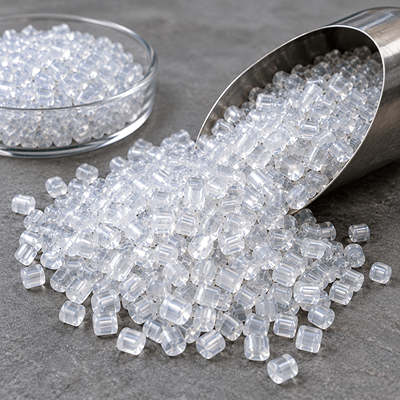
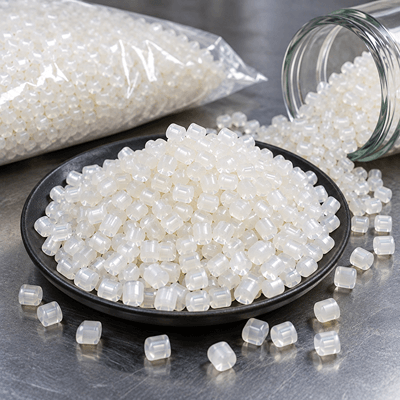
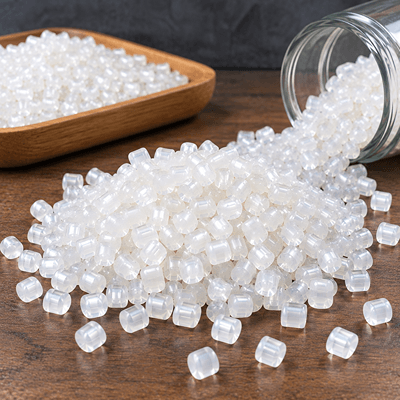
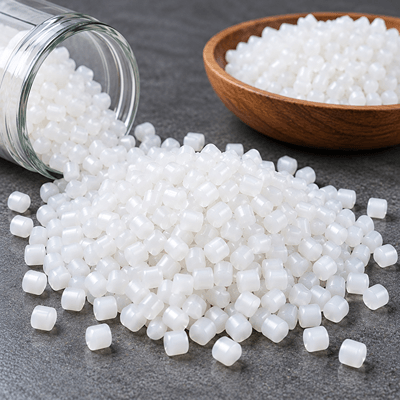
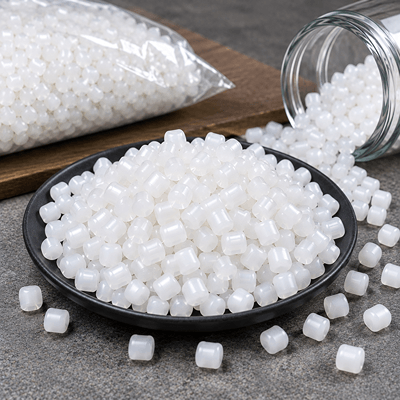
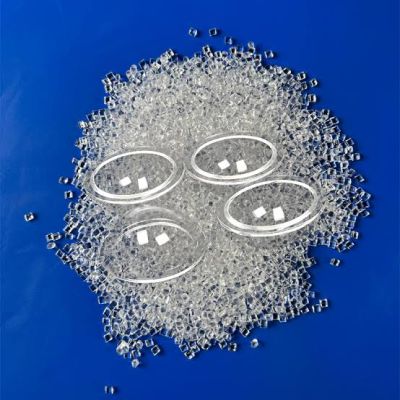
PMMA, or Polymethyl Methacrylate, is a transparent thermoplastic commonly known as acrylic. PMMA and acrylic resins are used to manufacture plastic components where optical appearance, transparency, surface quality and weathering characteristics are important.
Acrylic materials can be processed into sheets, molded components, displays, lighting products, signage and various technical parts. Depending on the selected grade, PMMA can support different processing and application requirements.
FCI Germany GMBH supplies PMMA and acrylic resin materials for international manufacturers, distributors and commercial buyers.
Applications of PMMA & Acrylic Resins
PMMA and acrylic resins can be used across a broad range of plastic manufacturing applications, including:
-
Transparent molded components
-
Lighting covers and components
-
Signage and display products
-
Point-of-sale displays
-
Automotive components
-
Optical and decorative parts
-
Consumer products
-
Architectural plastic components
-
Equipment covers
-
Industrial molded products
The appropriate resin should be selected according to the required appearance, processing method, component design and intended environment.
PMMA for Lighting and Display Products
Acrylic is widely used in products where visual clarity and light transmission are important. PMMA resin can be considered for lighting components, display parts, illuminated signage and other products where the appearance of the finished component is a key consideration.
For lighting and display manufacturing, buyers should evaluate the required transparency, color, surface appearance, processing method and design requirements when selecting a material.
PMMA for Automotive Applications
PMMA can be used for selected automotive and transportation components where a suitable transparent or appearance-focused thermoplastic is required.
Applications may include lighting-related components, interior parts, decorative elements and other molded components. The appropriate grade should be evaluated according to the vehicle application, operating environment and applicable technical requirements.
PMMA for Signage and Consumer Products
Acrylic resin is commonly considered for signage, displays, decorative products and consumer applications where appearance plays an important role.
PMMA can be processed into components with different shapes and designs, making it useful for manufacturers producing branded displays, retail fixtures, decorative parts and other commercial products.
Processing PMMA & Acrylic Resins
PMMA can be processed using thermoplastic manufacturing methods, including injection molding and other suitable fabrication techniques depending on the selected material and finished product.
Manufacturers should consider:
-
Processing method
-
Mold or tooling design
-
Material preparation
-
Processing temperature
-
Component thickness
-
Cooling conditions
-
Surface finish requirements
Exact processing conditions should be established using the technical recommendations for the specific PMMA grade.
How to Select PMMA & Acrylic Resin
The right acrylic resin depends on the intended application and production process. Buyers should consider:
-
Transparency requirements
-
Color requirements
-
Surface appearance
-
Intended application
-
Processing method
-
Component dimensions
-
Outdoor or indoor use
-
Temperature and environmental exposure
-
Required quantity
-
Delivery destination
Providing these details when requesting a quotation helps create a clearer basis for identifying suitable material options.
PMMA Compared with Other Transparent Plastics
PMMA is often evaluated alongside other transparent or appearance-focused thermoplastics such as Polycarbonate.
PMMA is commonly considered where optical appearance, transparency and surface characteristics are important. Polycarbonate may be preferred for applications where its particular impact and engineering characteristics are required.
The choice between materials depends on the finished product, operating environment, processing requirements and performance expectations.
Industries Using PMMA & Acrylic Resins
PMMA and acrylic resin materials can be considered by businesses involved in:
-
Automotive manufacturing
-
Lighting manufacturing
-
Signage production
-
Retail displays
-
Consumer products
-
Industrial equipment
-
Architectural products
-
Optical applications
-
Plastic component manufacturing
-
General injection molding
Why Source PMMA & Acrylic Resins from FCI Germany GMBH?
FCI Germany GMBH supplies plastics and polymer materials for international commercial and manufacturing requirements. The company is headquartered in Germany and has branches in the United States and South Africa, supporting an international customer base.
For PMMA and acrylic resin requirements, buyers can provide their application, processing method, quantity and destination. This allows the inquiry to be considered according to the actual manufacturing requirement.
Request a PMMA & Acrylic Resin Quotation
Looking to buy PMMA or Acrylic Resin for commercial or manufacturing use?
Send FCI Germany GMBH your:
-
Required material or grade
-
Order quantity
-
Intended application
-
Processing method
-
Delivery destination
-
Specific technical requirements, if applicable
Request a B2B quotation for PMMA & Acrylic Resins today. FCI Germany GMBH can review your requirement and discuss suitable supply options for your business.
FAQs About PMMA & Acrylic Resins
What is PMMA Resin?
PMMA Resin is Poly(methyl methacrylate), a transparent thermoplastic commonly known as acrylic. It is used for transparent, decorative and technical plastic components.
What is PMMA used for?
PMMA is used in lighting components, displays, signage, automotive parts, consumer products, architectural components and various transparent or appearance-focused plastic applications.
Is PMMA an acrylic plastic?
Yes. PMMA is commonly known as acrylic and is one of the most widely used acrylic thermoplastics.
Can PMMA Resin be injection molded?
Yes. Suitable PMMA grades can be processed through injection molding. Processing conditions depend on the selected grade, equipment and finished component.
What is the difference between PMMA and Polycarbonate?
Both can be used for transparent plastic applications, but they have different material characteristics. PMMA is commonly selected for optical appearance and transparency, while Polycarbonate is often considered when different engineering and impact requirements are important.
How can I request a PMMA & Acrylic Resin quotation?
Send FCI Germany GMBH your required grade or material type, quantity, application and delivery destination to request a B2B quotation and discuss suitable supply options.