

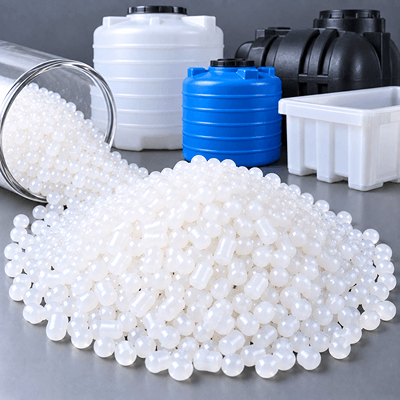
LLDPE Rotomolding Grade Suppliers
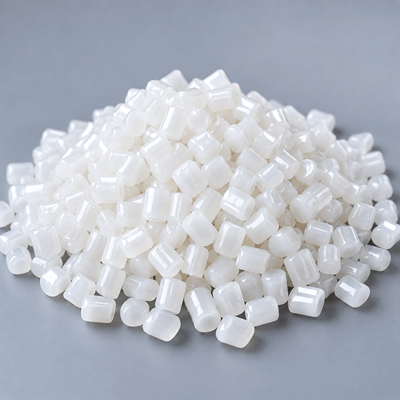
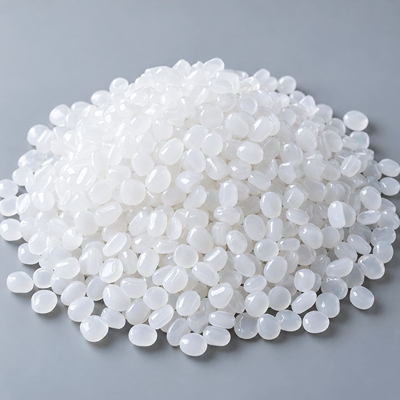
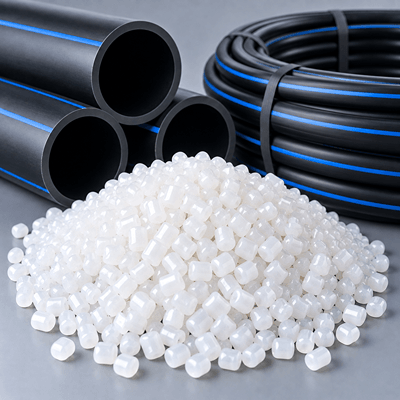
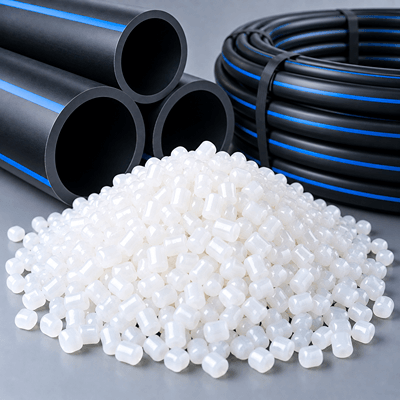
LLDPE Rotomolding Grade is a linear low-density polyethylene material selected for rotational molding processes. Rotational molding, also called rotomolding, is a manufacturing method used to produce hollow plastic products by heating polymer inside a rotating mold.
LLDPE can be suitable for rotational molding applications where manufacturers require a polyethylene material with an appropriate balance of flexibility, toughness and processability. The exact characteristics depend on the specific grade and manufacturing conditions.
Applications of LLDPE Rotomolding Grade
LLDPE Rotomolding Grade can be considered for manufacturing products such as:
-
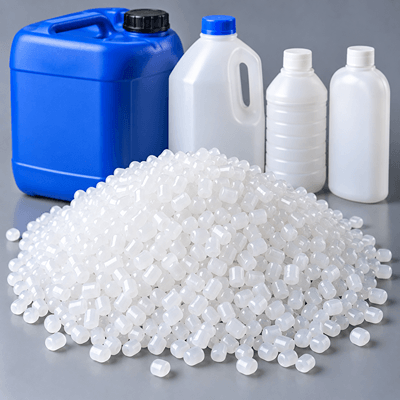
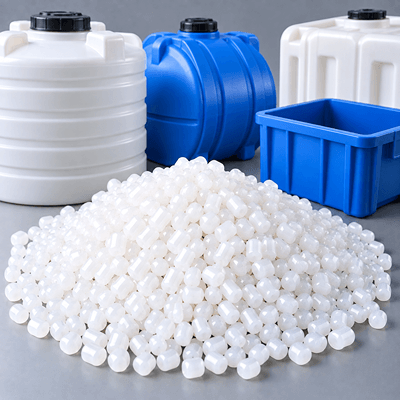
Plastic tanks
-
Storage containers
-
Industrial bins
-
Material-handling containers
-
Agricultural containers
-
Water and utility tanks
-
Recreational products
-
Protective housings
-
Large hollow molded products
-
Custom rotationally molded components
The suitability of a particular grade depends on the product design, mold, processing conditions and intended service environment.
LLDPE for Rotationally Molded Tanks and Containers
Rotational molding is widely used to manufacture large hollow products with relatively complex shapes. Suitable LLDPE Rotomolding Grade materials can be used for tanks, containers and storage products where the design calls for a polyethylene-based material.
For tank and container applications, manufacturers should consider wall thickness, product dimensions, service conditions, chemical exposure and other requirements when selecting the appropriate grade.
Industrial Rotomolding Applications
LLDPE Rotomolding Grade can support the production of various industrial products, including bins, containers, housings and other hollow components.
The rotational molding process allows manufacturers to create products with different shapes and sizes without the same tooling approach used in conventional injection molding. Material selection should still be matched carefully to the intended product and production process.
Processing Considerations
In rotational molding, polyethylene material is placed inside a mold and heated while the mold rotates around multiple axes. The polymer gradually melts and coats the internal surface of the mold before cooling and forming the finished product.
Processing conditions depend on the selected LLDPE grade, mold design, equipment, heating cycle, cooling method and product geometry. Manufacturers should follow the applicable technical information and optimize processing conditions for their equipment.
How to Select the Right LLDPE Rotomolding Grade
When sourcing LLDPE Rotomolding Grade, manufacturers should consider:
-
Product dimensions and design
-
Required wall thickness
-
Rotational molding equipment
-
Mold construction
-
Heating and cooling cycle
-
Flexibility and toughness requirements
-
Intended service environment
-
Chemical exposure where applicable
-
UV or weathering requirements where applicable
-
Virgin or recycled material requirements
The selected grade should be evaluated against the complete manufacturing and end-use requirements.
LLDPE Rotomolding Grade vs HDPE Rotomolding Grade
LLDPE and HDPE are both polyethylene materials that can be used in rotational molding, but they have different molecular structures and characteristics.
LLDPE is often considered where a combination of flexibility, toughness and suitable processing behavior is required. HDPE can be considered where the characteristics of a higher-density polyethylene are better aligned with the product requirements.
The better choice depends on the design, processing conditions and intended application rather than the polymer name alone.
LLDPE Rotomolding Grade vs General LLDPE Resin
General LLDPE Resin is a broad material category that can cover grades intended for different processing methods. LLDPE Rotomolding Grade is specifically selected for rotational molding applications.
Using a grade designed for the intended conversion process can help manufacturers evaluate material behavior more appropriately during product development and production.
Industries Using LLDPE Rotomolding Grade
LLDPE Rotomolding Grade can be relevant to manufacturers serving:
-
Industrial manufacturing
-
Agriculture
-
Water and utility products
-
Material handling
-
Storage equipment
-
Chemical and industrial containers
-
Recreational products
-
Packaging and container manufacturing
-
Custom plastics manufacturing
Why Source LLDPE Rotomolding Grade from FCI Germany GMBH?
FCI Germany GMBH provides a polyethylene portfolio covering HDPE, LDPE and LLDPE materials, including application-oriented grades such as LLDPE Rotomolding Grade.
Our sourcing approach focuses on understanding the intended product, processing method, quantity, destination and relevant material requirements before discussing suitable supply options. This helps buyers evaluate polyethylene materials according to their actual manufacturing needs.
Request LLDPE Rotomolding Grade
If you are sourcing LLDPE Rotomolding Grade for tanks, containers, bins, industrial products or other rotationally molded applications, contact FCI Germany GMBH with your requirements.
Share the product application, rotational molding process, required quantity and destination so suitable LLDPE material options can be evaluated.
FAQs About LLDPE Rotomolding Grade
What is LLDPE Rotomolding Grade used for?
LLDPE Rotomolding Grade is used for rotationally molded products such as tanks, containers, bins, housings and other hollow polyethylene components.
What is rotational molding?
Rotational molding is a plastic manufacturing process in which polymer is heated inside a rotating mold so the material coats the mold surface and forms a hollow product.
Can LLDPE Rotomolding Grade be used for tanks?
Suitable grades can be used for various rotationally molded tank and container applications. The selected material should match the tank design and intended service conditions.
What is the difference between LLDPE and HDPE Rotomolding Grade?
LLDPE and HDPE have different polymer structures and material characteristics. LLDPE may be considered where flexibility and toughness are important, while HDPE may be preferred for applications suited to its higher-density characteristics.
How do I choose an LLDPE Rotomolding Grade?
Consider the product design, wall thickness, molding equipment, processing cycle, required material characteristics and intended service environment.
Does FCI Germany GMBH supply LLDPE Rotomolding Grade internationally?
FCI Germany GMBH serves international buyers and can discuss LLDPE Rotomolding Grade requirements based on the application, quantity, destination and relevant material specifications.