

Biodegradable Plastics Suppliers
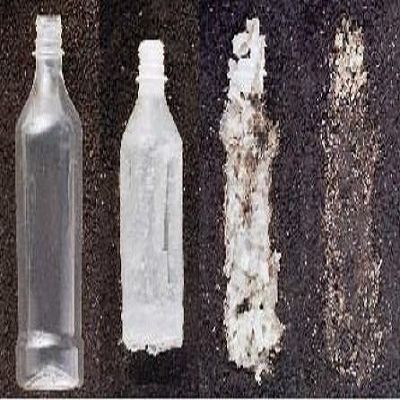
Biodegradable plastics are polymer materials designed to undergo biological degradation under suitable environmental conditions. Unlike conventional plastics that can persist for long periods, biodegradable materials can be broken down by microorganisms through biological processes when the required conditions are present.
Biodegradability is not a single universal performance characteristic. The rate and extent of degradation depend on factors such as material composition, temperature, moisture, microorganisms, oxygen availability, and the environment in which the material is disposed or processed.
FCI Germany GMBH supplies biodegradable plastic materials for manufacturers and businesses evaluating alternative polymer solutions for suitable applications.
Why Consider Biodegradable Plastics?
Manufacturers are increasingly evaluating alternative polymer materials as part of product design, material sourcing, and waste-management strategies.
Biodegradable plastics may be considered when:
-
A product is designed around a suitable biodegradable material
-
Manufacturers are evaluating alternatives to conventional polymers
-
A particular application benefits from a biodegradable polymer
-
Businesses are developing products with specific end-of-life considerations
-
Packaging or agricultural applications require an alternative material approach
-
Product developers are evaluating different polymer options for sustainability objectives
The appropriate material should always be selected according to the product's actual performance requirements and intended end-of-life environment.
Types of Biodegradable Plastics
Biodegradable plastics include different polymer families with different characteristics and processing requirements.
Depending on the application and product portfolio, biodegradable materials may include:
-
PLA-based materials
-
PBAT-based materials
-
PBS-based materials
-
Biodegradable plastic resins
-
Blended biodegradable polymer systems
These materials should not be treated as interchangeable. Their processing behavior, flexibility, strength, heat response, degradation characteristics, and suitable applications can differ significantly.
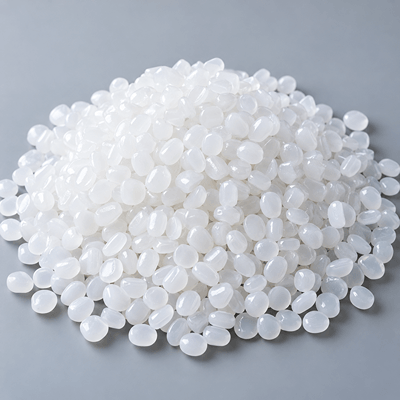
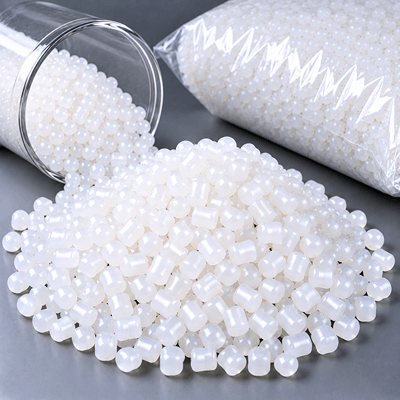
FCI Germany GMBH's biodegradable plastics portfolio includes materials such as PLA Resin, PLA Granules, PBAT Resin, PBS Resin, and Biodegradable Plastic Resin.
PLA Resin
PLA, or polylactic acid, is a biodegradable polymer derived from renewable resources and widely used in applications where its particular processing and performance characteristics are appropriate.
PLA can be processed into various products and is commonly considered for packaging, disposable products, 3D printing materials, fibers, and other applications.
Its suitability depends on the required properties of the finished product and the processing method being used.
PLA Granules
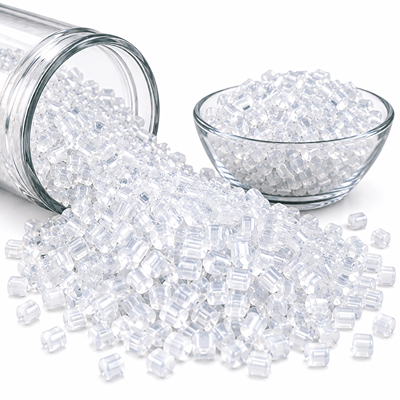
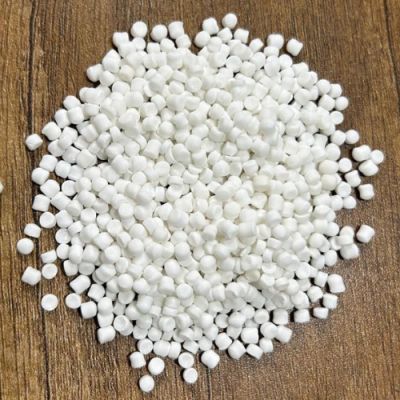
PLA Granules provide a convenient polymer form for manufacturers using suitable thermoplastic processing methods.
They can be considered for applications involving molding, extrusion, filament production, and other processes compatible with PLA.
Manufacturers should evaluate the specific material characteristics and processing requirements when selecting PLA granules for a production application.
PBAT Resin
PBAT is a biodegradable polymer commonly used in flexible applications and polymer blends.
It can be considered where flexibility and biodegradability are important characteristics. PBAT is also frequently evaluated in combination with other biodegradable polymers to achieve a balance of processing and product characteristics.
The appropriate formulation depends on the intended application and manufacturing process.
PBS Resin
PBS, or polybutylene succinate, is a biodegradable polymer that can be considered for selected packaging, agricultural, and molded applications.
Its suitability depends on the product design, processing method, required material characteristics, and intended end-of-life conditions.
Biodegradable Plastic Resin
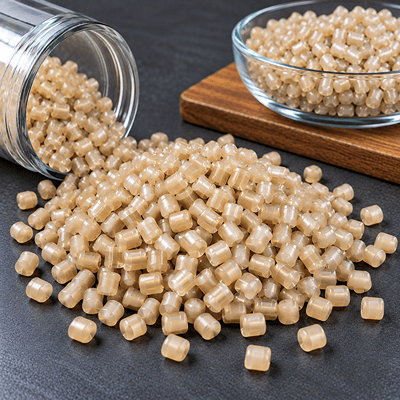
Biodegradable plastic resin provides manufacturers with a polymer material option for applications where biodegradability is an important consideration.
The specific properties and applications depend on the composition of the resin. Buyers should identify the intended product and processing method when evaluating biodegradable resin materials.
Applications of Biodegradable Plastics
Biodegradable plastics can be considered across a variety of applications where their characteristics are appropriate.
Potential applications include:
-
Flexible packaging
-
Compostable or biodegradable packaging systems where appropriately certified
-
Agricultural films and products
-
Disposable products
-
Food-service items where suitable
-
Consumer products
-
Bags and liners
-
Films and sheets
-
Fibers and textile-related applications
-
3D printing materials
-
Selected molded products
Not every biodegradable polymer is suitable for every application. Material selection should be based on the product's required properties and intended disposal or degradation environment.
Biodegradable Plastics for Packaging
Packaging is one of the major areas where alternative polymer materials are being evaluated.
Biodegradable plastics can be considered for selected films, bags, wraps, containers, coatings, and other packaging formats. The appropriate polymer depends on requirements such as flexibility, strength, processing method, moisture sensitivity, appearance, and intended end-of-life conditions.
For food-contact packaging or other regulated applications, the specific material must meet applicable requirements for the intended use.
Biodegradable Plastics for Agriculture
Agricultural applications can involve plastic films, bags, containers, and other products where end-of-life management is an important consideration.
Biodegradable polymers may be evaluated for selected agricultural products where their degradation characteristics and processing requirements are compatible with the intended application.
The environmental conditions under which the product will be used and disposed of should be considered carefully.
Biodegradable Plastics for Consumer Products
Consumer-product manufacturers may consider biodegradable polymers for selected disposable, packaging, household, and other products.
Material selection should balance the desired product characteristics with processing requirements and the intended end-of-life pathway.
A biodegradable material should not be selected solely because it carries a sustainability-related description; its actual suitability for the product and disposal environment remains important.
Biodegradable Does Not Always Mean Compostable
Biodegradable and compostable are related but different concepts.
A biodegradable material can break down through biological processes under suitable conditions. Compostability generally refers to a more specific set of requirements concerning degradation and the resulting material under defined composting conditions.
Therefore, a product described as biodegradable should not automatically be represented as compostable.
If compostability is required, manufacturers and buyers should verify the relevant material certification and applicable standard for the intended application.
Biodegradable Plastics and Conventional Plastics
Biodegradable plastics and conventional plastics can have significantly different material characteristics and end-of-life considerations.
Conventional polymers such as PE, PP, PVC, and PET are widely used because of their established processing characteristics and performance across many applications. Biodegradable polymers provide alternative options for applications where their particular characteristics and end-of-life behavior are appropriate.
The right choice depends on:
-
Product requirements
-
Processing technology
-
Required durability
-
Environmental conditions
-
Shelf-life requirements
-
End-of-life pathway
-
Regulatory requirements
-
Material availability
-
Commercial considerations
Sustainability objectives should therefore be considered together with technical and application requirements.
Processing Biodegradable Plastics
Different biodegradable polymers can require different processing approaches.
Depending on the polymer, manufacturing may involve processes such as:
-
Extrusion
-
Film production
-
Injection molding
-
Thermoforming
-
Fiber processing
-
Filament production
Processing conditions should be established according to the specific polymer and material documentation rather than applying the same processing approach to every biodegradable plastic.
Selecting the Right Biodegradable Plastic
Selecting a biodegradable plastic begins with defining the finished product and its operating environment.
Important considerations include:
-
Intended application
-
Required product life
-
Processing method
-
Flexibility and strength requirements
-
Temperature exposure
-
Moisture exposure
-
Appearance requirements
-
Required degradation environment
-
Compostability or certification requirements, where applicable
-
Regulatory requirements
-
Required quantity
-
Delivery destination
Providing these details allows the material selection process to focus on the actual application rather than simply the biodegradable classification.
Biodegradable Plastics and Material Certifications
For applications involving specific environmental or regulatory claims, buyers should verify the relevant documentation and certifications for the exact material and finished product.
Terms such as biodegradable, industrially compostable, home compostable, and bio-based describe different characteristics and should not be used interchangeably.
Where a customer requires a particular environmental certification or standard, the requirement should be communicated before material selection and purchasing.
Why Source Biodegradable Plastics from FCI Germany GMBH?
FCI Germany GMBH provides biodegradable polymer materials as part of its wider plastics and specialty polymer portfolio.
Our approach is focused on understanding the intended application, processing method, product requirements, quantity, and destination before discussing suitable sourcing options.
The biodegradable plastics portfolio includes PLA Resin, PLA Granules, PBAT Resin, PBS Resin, and Biodegradable Plastic Resin, giving manufacturers several material categories to consider when evaluating alternative polymer solutions.
Request a Biodegradable Plastics Inquiry
If you are sourcing biodegradable plastics for packaging, agriculture, consumer products, industrial manufacturing, or another suitable application, contact FCI Germany GMBH with your requirements.
Please provide the intended application, processing method, required material type, quantity, and delivery destination. If a specific biodegradability or compostability standard is required, include that information with your inquiry.
Frequently Asked Questions About Biodegradable Plastics
What are biodegradable plastics?
Biodegradable plastics are polymer materials capable of biological degradation under suitable environmental conditions. Their degradation behavior depends on the specific material and environment.
Are biodegradable plastics the same as compostable plastics?
No. Biodegradable and compostable are not interchangeable terms. Compostability involves specific requirements and defined conditions, so the relevant certification should be verified for the intended application.
What biodegradable plastics does FCI Germany GMBH supply?
The portfolio includes PLA Resin, PLA Granules, PBAT Resin, PBS Resin, and Biodegradable Plastic Resin.
What are biodegradable plastics used for?
They can be considered for selected packaging, agricultural products, disposable products, consumer goods, films, fibers, 3D printing materials, and other suitable applications.
Can biodegradable plastics be used for packaging?
Yes, selected biodegradable polymers can be used for suitable packaging applications. The material should be chosen according to the required performance, processing method, end-use conditions, and applicable regulatory requirements.
Can biodegradable plastics be used in agriculture?
Certain biodegradable polymers can be evaluated for agricultural films and other products where their characteristics and degradation behavior are suitable for the intended application.
Are all biodegradable plastics made from renewable resources?
No. Biodegradability and renewable sourcing are different characteristics. A polymer should be evaluated separately for its feedstock origin and biodegradation properties.
Can biodegradable plastics be processed using conventional plastic equipment?
Some biodegradable polymers can be processed using thermoplastic manufacturing methods, but processing requirements vary by polymer. Manufacturers should follow the material-specific processing guidance.
What should I consider when selecting a biodegradable plastic?
Consider the application, processing method, required product life, mechanical and thermal requirements, environmental exposure, end-of-life conditions, applicable certifications, and regulatory requirements.
How can I request biodegradable plastics from FCI Germany GMBH?
Contact FCI Germany GMBH with your intended application, required polymer type, processing method, quantity, destination, and any specific certification or end-of-life requirements.