

Specialty Polymers Suppliers
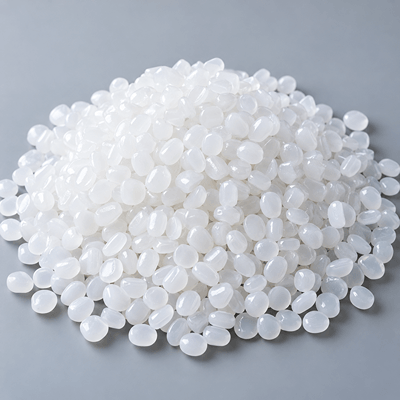
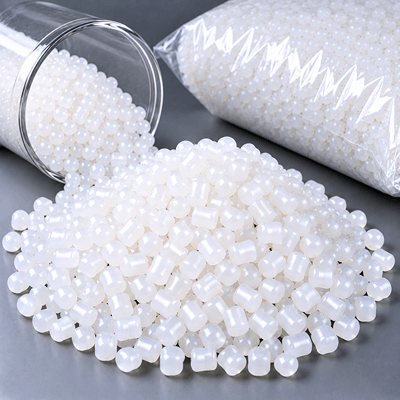
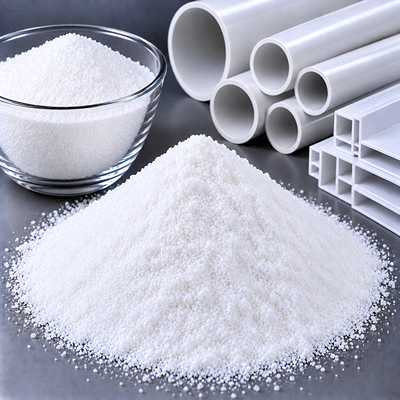
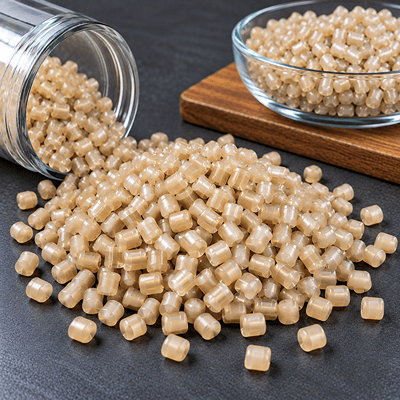
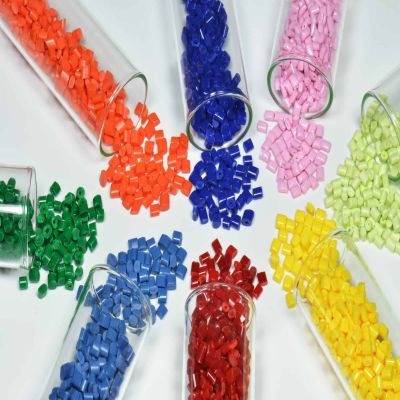
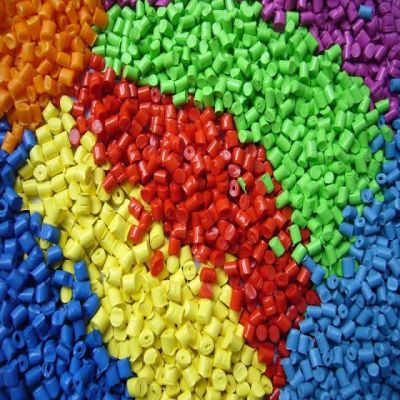
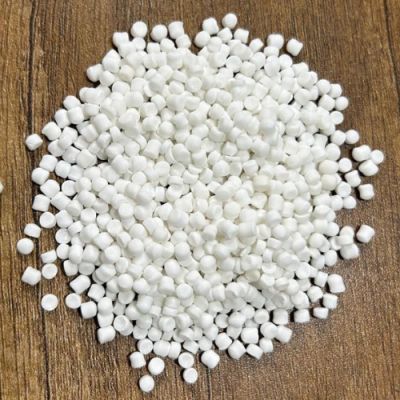
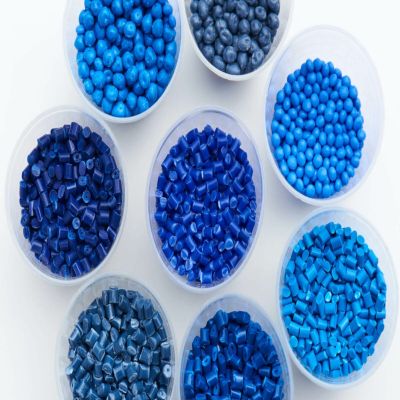
Specialty polymers are materials selected for applications that require particular combinations of flexibility, durability, processability, elasticity, chemical resistance, appearance, or other performance characteristics.
Unlike commodity polymers used across very broad product categories, specialty polymers are often chosen according to more specific application requirements. Material selection therefore depends heavily on the finished product, processing method, operating environment, and required properties.
FCI Germany GMBH supplies a range of specialty polymer materials for manufacturers, processors, distributors, and businesses evaluating specialized plastics for industrial and commercial applications.
Specialty Polymer Products
Our specialty polymer portfolio includes materials for different processing and application requirements, including:
-
TPU Resin
-
TPU Granules
-
TPE Resin
-
TPE Granules
-
TPV
-
SBS Polymer
-
SEBS Polymer
-
PLA Resin
-
PLA Granules
-
PBAT Resin
-
PBS Resin
-
Biodegradable Plastic Resin
These materials have different characteristics and should not be considered interchangeable. The appropriate polymer depends on the specific application and product requirements.
TPU Resin and Granules
Thermoplastic Polyurethane (TPU) is a versatile polymer combining characteristics associated with thermoplastic processing and elastomeric performance.
TPU can be considered for applications where flexibility, abrasion resistance, elasticity, and durable material performance are relevant. Depending on the formulation and grade, applications may include flexible components, industrial products, consumer goods, footwear-related products, cable-related components, and other specialized applications.
TPE Resin and Granules
Thermoplastic Elastomers (TPEs) combine elastomer-like flexibility with thermoplastic processing characteristics.
TPE materials can be considered for products requiring flexibility, soft-touch characteristics, sealing properties, or elastic behavior while using suitable thermoplastic manufacturing processes.
Potential applications include consumer products, automotive components, seals, grips, flexible parts, and other molded products.
TPV
Thermoplastic Vulcanizate (TPV) is an elastomeric material designed to combine rubber-like properties with thermoplastic processing characteristics.
TPV can be considered for selected applications where flexibility, resilience, durability, and processing efficiency are important.
Its potential uses include automotive components, seals, gaskets, weather-related components, and other specialized molded products.
SBS Polymer
Styrene-Butadiene-Styrene (SBS) is a thermoplastic elastomer used in applications requiring flexibility and elastomeric characteristics.
SBS can be evaluated for products such as modified materials, flexible components, footwear-related applications, adhesives and sealant formulations, and other suitable industrial uses.
SEBS Polymer
Styrene-Ethylene-Butylene-Styrene (SEBS) is a thermoplastic elastomer valued for its combination of flexibility and processing characteristics.
SEBS can be considered for applications involving soft-touch products, flexible components, grips, seals, consumer products, and other specialized applications.
Biodegradable Specialty Polymers
The specialty polymer portfolio also includes biodegradable materials such as PLA, PBAT, PBS, and Biodegradable Plastic Resin.
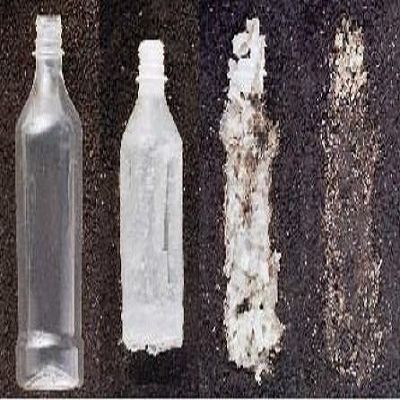
These materials can be evaluated for applications where biodegradable polymer characteristics are relevant. Their suitability depends on the product design, processing method, environmental conditions, and intended end-of-life pathway.
Biodegradable and compostable should not be treated as interchangeable terms; specific certification requirements should be verified where applicable.
Applications of Specialty Polymers
Specialty polymers can support a wide range of manufacturing applications, including:
-
Automotive components
-
Electrical and electronics products
-
Flexible consumer products
-
Seals and gaskets
-
Industrial components
-
Packaging
-
Films
-
Footwear-related products
-
Household products
-
Agricultural applications
-
Medical and healthcare-related products where suitable
-
Specialized molded and extruded components
The appropriate polymer should be selected according to the actual product requirements.
Choosing the Right Specialty Polymer
Specialty polymer selection should begin with the finished product and manufacturing process.
Important factors can include:
-
Required flexibility or rigidity
-
Impact and wear requirements
-
Processing method
-
Operating temperature
-
Chemical or environmental exposure
-
Surface appearance
-
Elasticity
-
Product service life
-
Regulatory requirements
-
Required quantity
-
End-use application
Providing these details helps identify which polymer category is most appropriate for further evaluation.
Specialty Polymers and Processing
Different specialty polymers require different processing approaches.
Depending on the material, manufacturing may involve:
-
Injection molding
-
Extrusion
-
Film production
-
Compounding
-
Thermoforming
-
Blending
-
Other suitable thermoplastic processes
Manufacturers should follow material-specific processing guidance because processing conditions can vary significantly between polymer families.
Why Source Specialty Polymers from FCI Germany GMBH?
FCI Germany GMBH brings together a diverse range of polymer materials for businesses looking for suitable sourcing options across commodity, engineering, specialty, biodegradable, and recycled plastics.
Our specialty polymer portfolio provides manufacturers with access to multiple material categories rather than limiting sourcing discussions to a single polymer family.
We focus on understanding the application, processing method, quantity, and destination before discussing suitable supply options.
Request a Specialty Polymer Inquiry
If you are sourcing a specialty polymer for a specific manufacturing application, contact FCI Germany GMBH with your requirements.
Tell us the intended application, processing method, required material type or characteristics, quantity, and delivery destination. This information helps us understand your requirement and identify the most relevant material options.
Frequently Asked Questions
What are specialty polymers?
Specialty polymers are materials selected for specific applications requiring particular combinations of properties such as flexibility, elasticity, durability, processability, or other performance characteristics.
Which specialty polymers does FCI Germany GMBH supply?
The portfolio includes TPU, TPE, TPV, SBS, SEBS, PLA, PBAT, PBS, and Biodegradable Plastic Resin materials.
What are specialty polymers used for?
They can be used in automotive, consumer products, industrial components, flexible products, seals, packaging, electronics, footwear-related products, and other specialized applications.
How do I choose a specialty polymer?
Consider the finished product, processing method, flexibility or rigidity, environmental exposure, operating conditions, required appearance, service life, and applicable regulatory requirements.
Can specialty polymers be injection molded?
Many specialty polymers can be processed by injection molding, although processing requirements vary by material and formulation.
Does FCI Germany GMBH supply biodegradable specialty polymers?
Yes. The portfolio includes PLA, PBAT, PBS, and Biodegradable Plastic Resin for suitable applications where biodegradable polymer materials are being evaluated.
How can I request a specialty polymer?
Contact FCI Germany GMBH with your application, processing method, material requirements, quantity, and delivery destination so the sourcing requirement can be evaluated.