

HDPE Pellets Suppliers
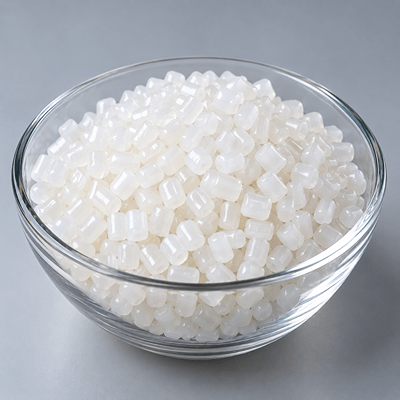
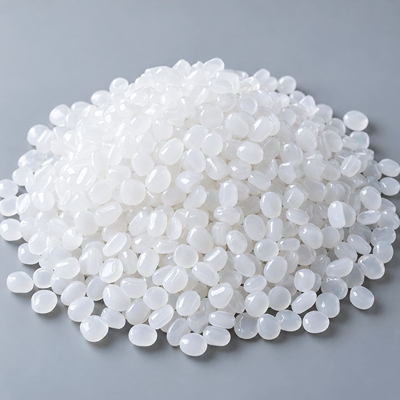
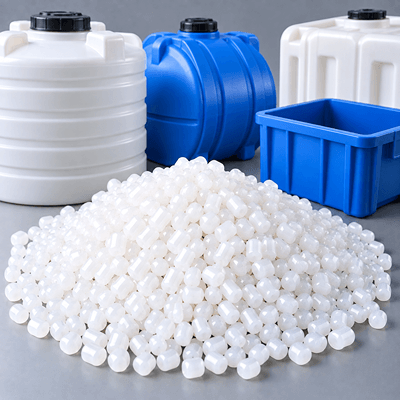
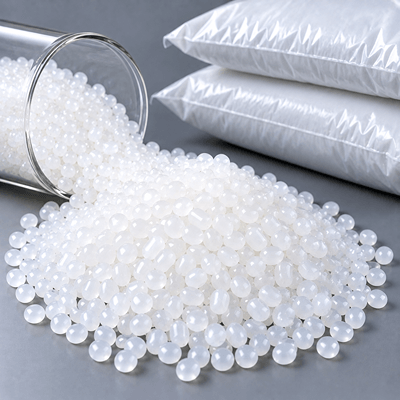
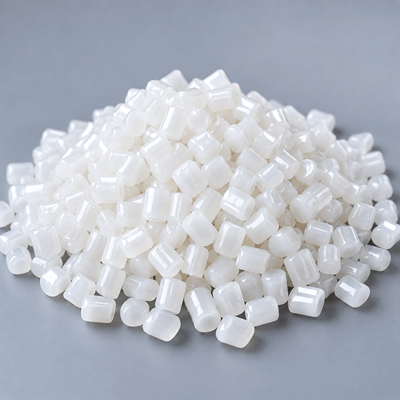
HDPE Pellets are a physical form of high-density polyethylene used as a raw material for plastic manufacturing and processing. The pellets are fed into suitable processing equipment, where they are melted and converted into finished products.
HDPE is used across numerous applications because suitable grades can provide a useful balance of stiffness, impact resistance, chemical resistance and processability. The characteristics of HDPE Pellets depend on the specific grade and its intended processing method.
Applications of HDPE Pellets
HDPE Pellets can be used for suitable manufacturing processes including:
-
Injection molding
-
Blow molding
-
Film extrusion
-
Pipe extrusion
-
Rotational molding
-
Container manufacturing
-
Packaging products
-
Industrial components
-
Household products
-
Agricultural products
The appropriate pellet grade should be selected according to the processing technology and finished-product requirements.
HDPE Pellets for Injection Molding
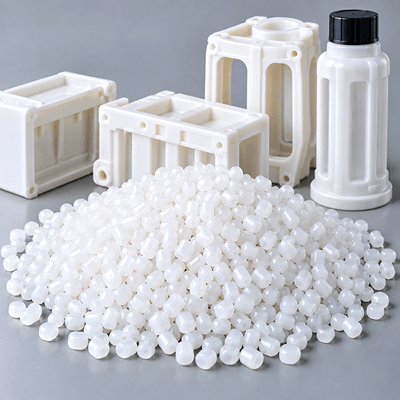
Suitable HDPE Pellets can be processed through injection molding to produce rigid plastic components.
Potential applications include containers, caps and closures, crates, bins, household products, industrial components and other molded parts. Material selection should consider melt-flow characteristics, product geometry, mold design, stiffness and impact requirements.
HDPE Pellets for Blow Molding
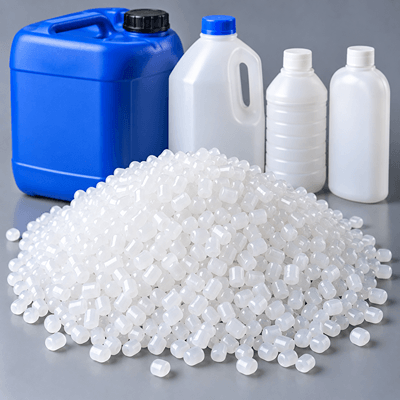
HDPE is widely considered for hollow-product manufacturing through suitable blow molding processes.
Appropriate HDPE Pellets can be used to manufacture bottles, jerry cans, drums, containers and other hollow products. The selected grade should match the molding equipment, product dimensions, wall thickness and intended application.
HDPE Pellets for Film Production
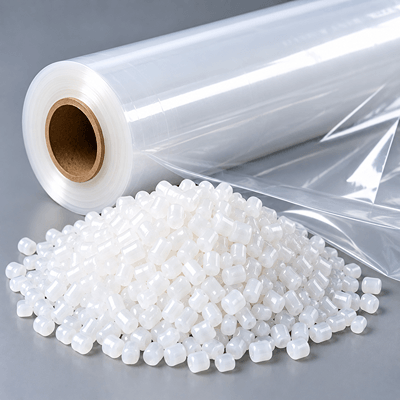
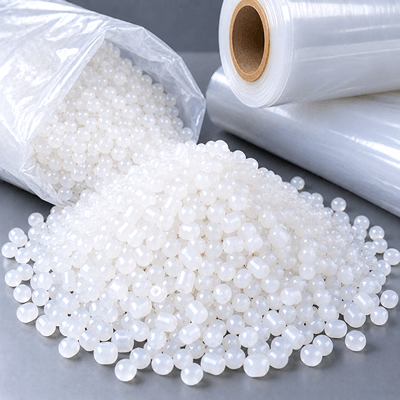
Certain HDPE Pellets are suitable for film extrusion applications. They can be processed into films used for bags, packaging, liners and other products.
Film manufacturers should evaluate the specific grade's processing characteristics, required film thickness, stiffness, strength, sealing requirements and intended end use.
HDPE Pellets for Pipe Manufacturing
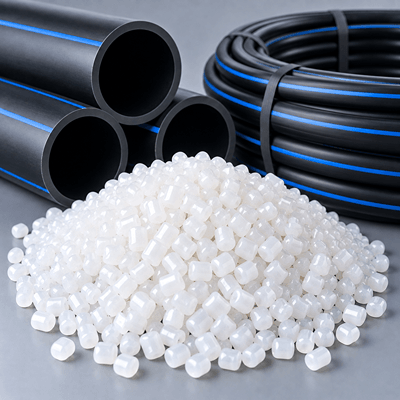
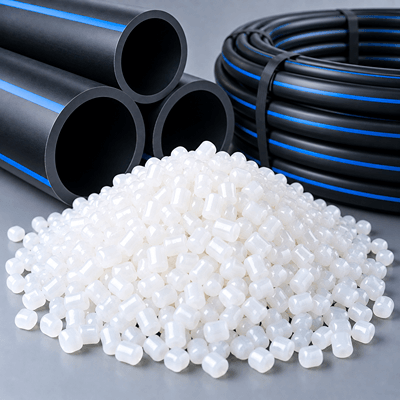
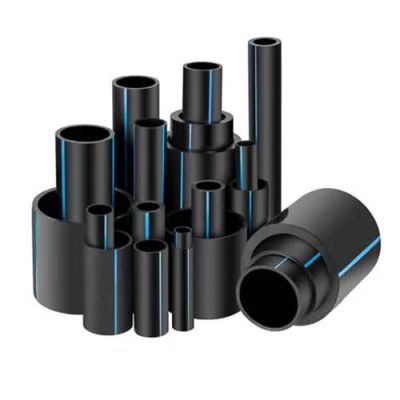
Suitable HDPE Pellets can also be used as raw material for polyethylene pipe extrusion.
Applications may include water distribution, irrigation, utility and industrial piping. For pressure-pipe applications, the material should meet the required classification and applicable pipe standards rather than relying only on the general HDPE designation.
HDPE Pellets for Rotational Molding
Suitable HDPE materials can be used in rotational molding to manufacture large or hollow products such as tanks, containers, bins and industrial products.
The selected material should be appropriate for the rotational molding process and compatible with the product's dimensions, wall thickness and intended service conditions.
Key Factors When Selecting HDPE Pellets
When sourcing HDPE Pellets, buyers should consider:
-
Intended application
-
Processing method
-
Required HDPE grade
-
Melt-flow characteristics
-
Product design
-
Stiffness and impact requirements
-
Temperature conditions
-
Chemical exposure
-
Regulatory requirements where applicable
-
Quantity and destination
The technical information for the specific grade should be reviewed before production.
HDPE Pellets vs HDPE Granules
HDPE Pellets and HDPE Granules both describe physical forms of polyethylene used for processing. In commercial plastics terminology, the terms may sometimes be used interchangeably.
However, buyers should confirm the exact material grade, physical form and technical specifications with the supplier before placing an order, particularly when the processing equipment requires a specific feed form.
HDPE Pellets vs HDPE Resin
HDPE Resin refers broadly to the polymer material, while HDPE Pellets describe a physical form in which the resin is supplied for processing.
A buyer may therefore request HDPE Resin while receiving the material in pellet form. The important factors are the polymer grade, intended application and relevant technical characteristics.
HDPE Pellets vs LDPE and LLDPE Pellets
HDPE, LDPE and LLDPE are different polyethylene materials with distinct molecular structures and characteristics.
HDPE is generally associated with greater density and stiffness, while LDPE and LLDPE can offer different balances of flexibility, toughness and processing behavior. The correct material depends on the intended product and manufacturing process.
Industries Using HDPE Pellets
HDPE Pellets can be relevant to manufacturers and converters in:
-
Packaging
-
Automotive
-
Construction
-
Agriculture
-
Household products
-
Industrial manufacturing
-
Water infrastructure
-
Material handling
-
Consumer products
-
General plastics processing
Why Source HDPE Pellets from FCI Germany GMBH?
FCI Germany GMBH supplies a broad polyethylene portfolio covering HDPE, LDPE and LLDPE materials in different physical forms and application-oriented grades.
For HDPE Pellet inquiries, buyers can provide the intended application, processing method, required grade, quantity and destination. This helps establish the material requirements before discussing suitable supply options.
Request HDPE Pellets
If you are sourcing HDPE Pellets for injection molding, blow molding, film production, pipe extrusion, rotational molding or other plastic manufacturing applications, contact FCI Germany GMBH with your requirements.
Share the intended application, processing method, approximate quantity and destination so your HDPE material requirement can be evaluated appropriately.
FAQs About HDPE Pellets
What are HDPE Pellets used for?
HDPE Pellets are used as raw material for injection molding, blow molding, film extrusion, pipe manufacturing, rotational molding and other suitable plastic processing applications.
Can HDPE Pellets be used for injection molding?
Yes, suitable HDPE pellet grades can be processed through injection molding for containers, closures, household products, industrial components and other molded products.
Can HDPE Pellets be used for pipes?
Yes, suitable HDPE materials can be processed into pipes. Pressure-pipe applications require the appropriate material classification and compliance with the applicable pipe standard.
What is the difference between HDPE Pellets and HDPE Granules?
Both terms describe physical forms of HDPE feedstock and may be used interchangeably in commercial contexts. Buyers should confirm the exact physical form and grade required for their processing equipment.
What is the difference between HDPE Pellets and HDPE Resin?
HDPE Resin refers to the polymer material, while HDPE Pellets describe a physical form in which the resin can be supplied for processing.
Does FCI Germany GMBH supply HDPE Pellets internationally?
FCI Germany GMBH serves international buyers and can discuss HDPE Pellet requirements based on application, processing method, quantity and destination.