

Polypropylene Suppliers
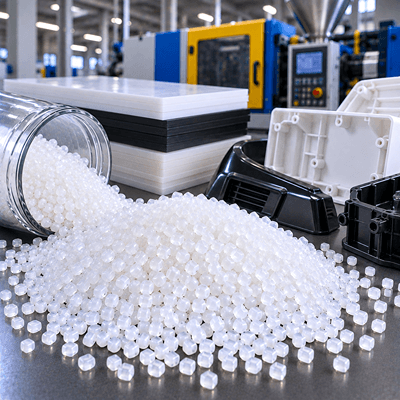
Polypropylene (PP) is a widely used thermoplastic polymer valued for its versatility across packaging, automotive, consumer, textile, electrical and industrial applications. It can be processed into molded products, films, fibers, sheets and other manufactured forms.
FCI Germany GMBH supplies a range of polypropylene materials for manufacturers, processors, distributors and other commercial buyers. The appropriate PP grade depends on the processing method, product design and intended application.
FCI Germany GMBH Polypropylene Portfolio
The polypropylene portfolio includes:
-
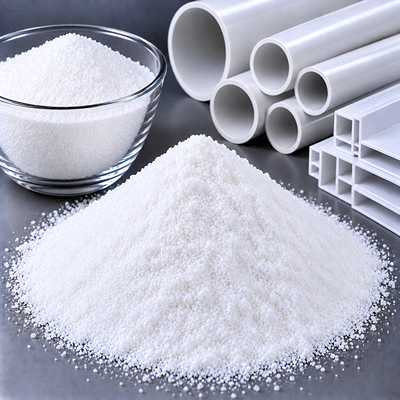
Polypropylene Resin
-
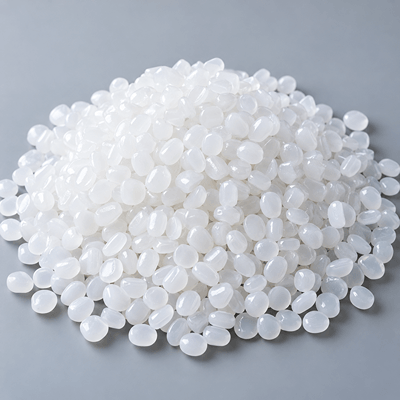
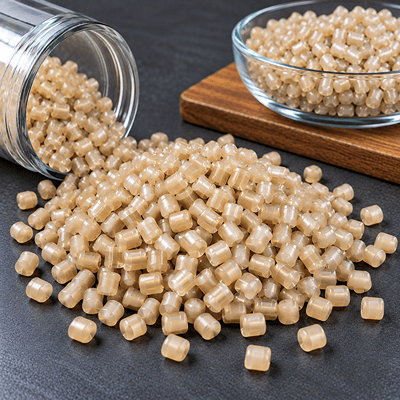
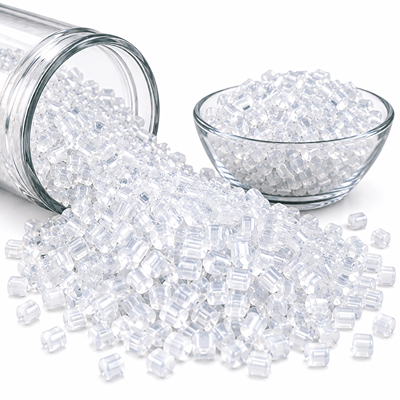
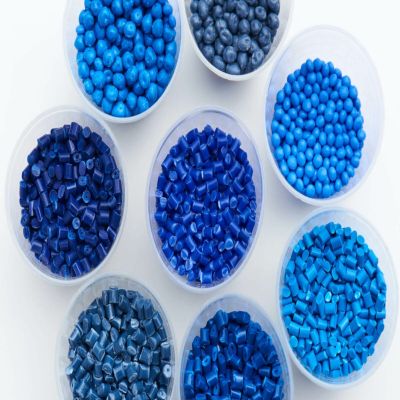
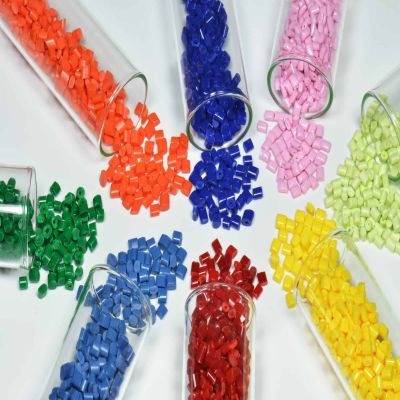
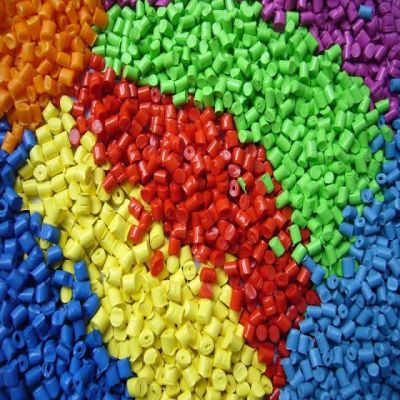
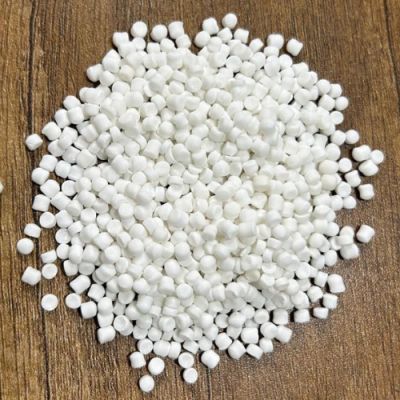
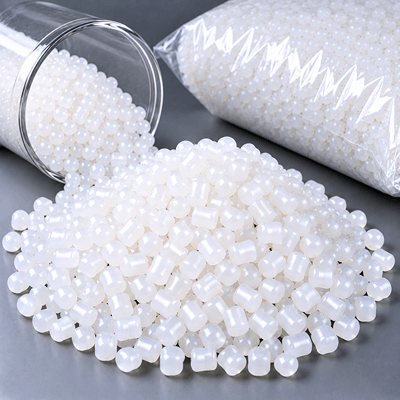
PP Granules
-
PP Pellets
-
PP Homopolymer
-
PP Copolymer
-
PP Random Copolymer
-
PP Injection Grade
-
PP Raffia Grade
-
PP Fiber Grade
-
PP Film Grade
-
BOPP Grade PP
-
PPR Grade
These products serve different manufacturing requirements, so buyers should select the material according to the intended processing technology and final product.
Applications of Polypropylene
Polypropylene can be used across a broad range of applications, including:
-
Packaging products
-
Automotive components
-
Household products
-
Consumer goods
-
Electrical and electronic components
-
Films and flexible packaging
-
Woven and raffia products
-
Fibers and nonwoven materials
-
Pipes and fittings
-
Industrial components
The exact suitability depends on the selected PP grade and formulation.
PP for Packaging
Polypropylene is widely used in packaging because it can be converted into rigid containers, films, woven products and other packaging components.
Suitable PP grades can be used for containers, caps, closures, packaging films and related products. Film-oriented applications may require specific PP grades designed for the relevant production process.
For food-contact packaging, the specific material, formulation, manufacturing process and applicable regulatory requirements should be verified.
PP for Automotive and Consumer Products
Polypropylene is used in various automotive and consumer applications where suitable combinations of processability, weight, rigidity and durability are required.
Potential applications include molded components, housings, interior parts, household products, storage containers and other consumer goods. The appropriate grade depends on the component design and required characteristics.
PP for Films and Fibers
Specific polypropylene grades are used for film and fiber manufacturing.
PP Film Grade and BOPP Grade PP can be considered for suitable film production processes, while PP Fiber Grade is intended for applications involving polypropylene fibers and related nonwoven products.
The selected material should match the extrusion, orientation, spinning or other processing method being used.
PP for Raffia and Woven Products
PP Raffia Grade is associated with applications such as woven bags, sacks, tapes and other woven polypropylene products.
The material is processed into tapes or similar forms that can subsequently be woven or converted into finished products. Production requirements depend on the equipment, product design and desired characteristics.
PPR Grade
PPR Grade refers to polypropylene random copolymer material used in suitable piping applications.
PPR materials can be processed into pipes and fittings for plumbing and other applications. The specific material and finished piping system should be evaluated according to operating conditions and applicable standards.
Polypropylene Processing
Polypropylene can be processed using several manufacturing technologies, including:
-
Injection molding
-
Extrusion
-
Film extrusion
-
Fiber processing
-
Blow molding
-
Thermoforming
-
Other suitable conversion processes
Processing conditions depend on the PP grade, equipment, product design and manufacturing process.
Selecting the Right Polypropylene Grade
When sourcing polypropylene, manufacturers should consider:
-
Intended product
-
Processing technology
-
Homopolymer or copolymer requirement
-
Film, fiber, raffia or injection application
-
Required rigidity or flexibility
-
Product design
-
Processing equipment
-
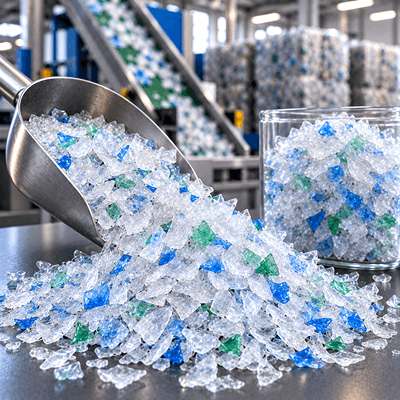
Virgin or recycled material requirements
-
Applicable standards and regulations
-
Quantity and destination market
Providing the intended application and processing method can help identify the most relevant PP material.
PP Homopolymer vs PP Copolymer
PP Homopolymer and PP Copolymer are important polypropylene material types with different characteristics and application considerations.
PP Homopolymer is widely used where suitable rigidity and processing characteristics are required. PP Copolymer grades can be selected for applications where a different balance of properties is needed.
PP Random Copolymer is a specific copolymer type used in suitable applications, including certain transparent products and piping applications.
Material selection should be based on the final product requirements rather than polymer type alone.
Industries Using Polypropylene
Polypropylene materials can be relevant to:
-
Packaging manufacturers
-
Automotive manufacturers
-
Consumer product manufacturers
-
Textile and fiber producers
-
Film manufacturers
-
Woven bag producers
-
Pipe and fitting manufacturers
-
Electrical and electronics businesses
-
Household product manufacturers
-
Industrial plastic processors
Why Source Polypropylene from FCI Germany GMBH?
FCI Germany GMBH provides international sourcing support for polypropylene and other polymer materials. Buyers can discuss PP requirements according to their intended application, processing method, quantity and destination.
The broad PP portfolio allows customers to explore different material types according to whether their requirement involves injection molding, film, fiber, raffia, piping or another manufacturing process.
Request Polypropylene Information
If you are sourcing polypropylene for packaging, automotive, films, fibers, woven products, pipes or other applications, contact FCI Germany GMBH with your requirements.
Share your intended application, processing method, preferred PP grade, quantity and destination market to discuss suitable supply options.
FAQs About Polypropylene
What is polypropylene used for?
Polypropylene is used for packaging, automotive components, consumer products, films, fibers, woven products, pipes, electrical components and many industrial applications.
What polypropylene grades does FCI Germany GMBH supply?
The portfolio includes Polypropylene Resin, PP Granules, PP Pellets, PP Homopolymer, PP Copolymer, PP Random Copolymer, PP Injection Grade, PP Raffia Grade, PP Fiber Grade, PP Film Grade, BOPP Grade PP and PPR Grade.
What is PP Homopolymer?
PP Homopolymer is a polypropylene type produced primarily from propylene and used in applications where its particular combination of processing and material characteristics is suitable.
What is PP Copolymer?
PP Copolymer contains polypropylene with another comonomer and can provide characteristics suited to applications where a different property balance is required.
What is PP Random Copolymer used for?
PP Random Copolymer can be used for suitable molded products, packaging and piping applications, depending on the grade and final product requirements.
What is BOPP Grade PP?
BOPP Grade PP is polypropylene intended for suitable biaxially oriented polypropylene film manufacturing processes.
What is PP Raffia Grade used for?
PP Raffia Grade is used for suitable applications involving polypropylene tapes, woven bags, sacks and related woven products.
Can polypropylene be used for pipes?
Yes. PPR Grade and other suitable polypropylene materials can be used for specific pipe and fitting applications.
What should I consider when selecting polypropylene?
Consider the intended product, processing method, PP type, required material characteristics, equipment, applicable standards, quantity and destination market.
Does FCI Germany GMBH supply polypropylene internationally?
FCI Germany GMBH serves international buyers and can discuss polypropylene requirements according to the application, grade, quantity and destination.