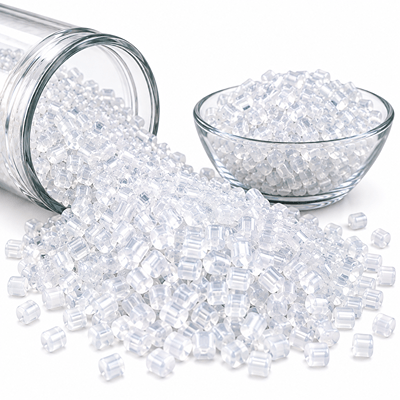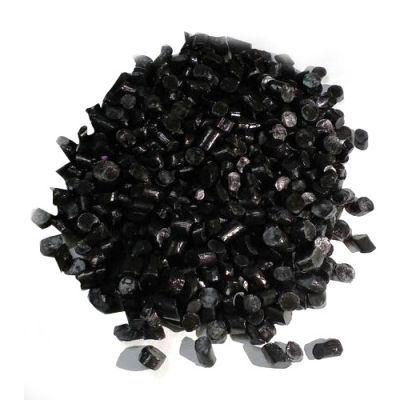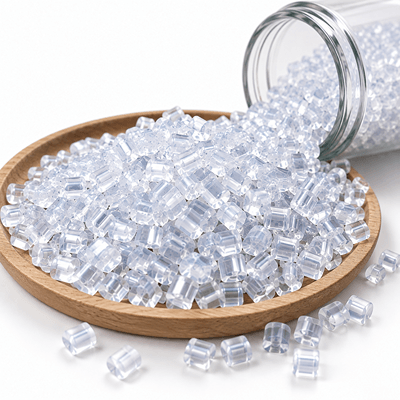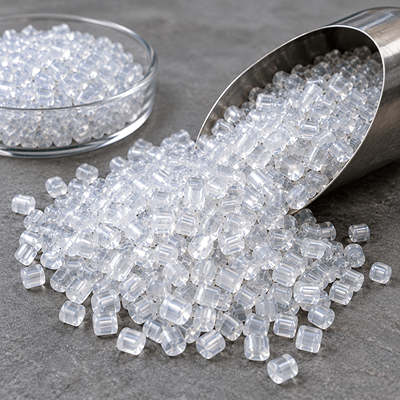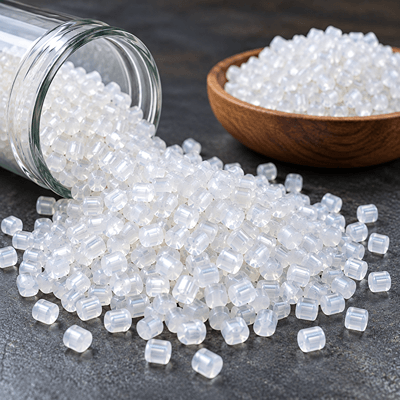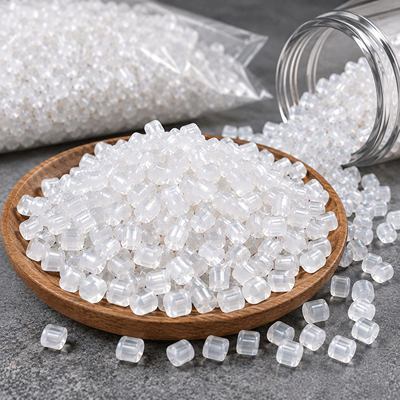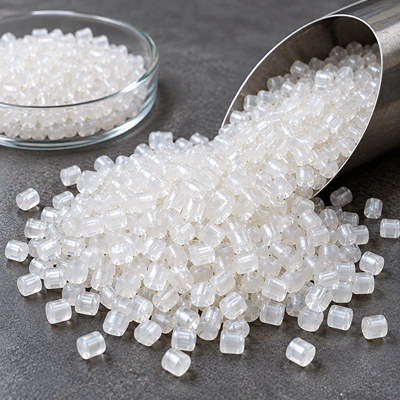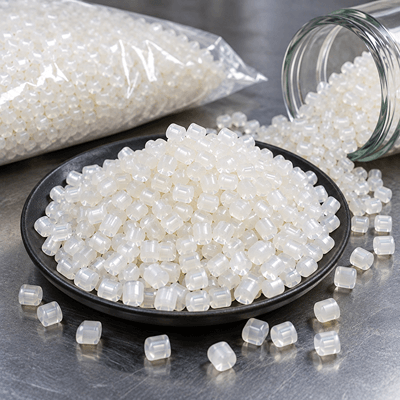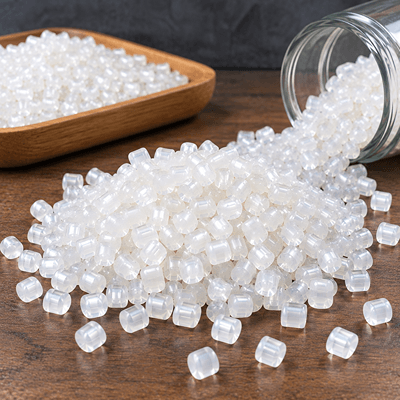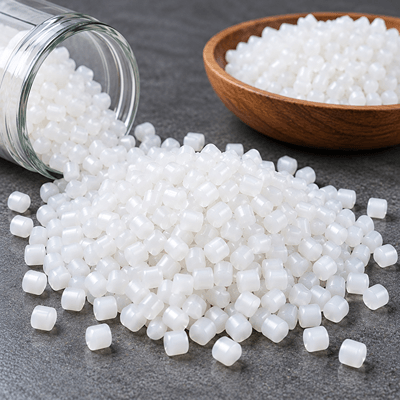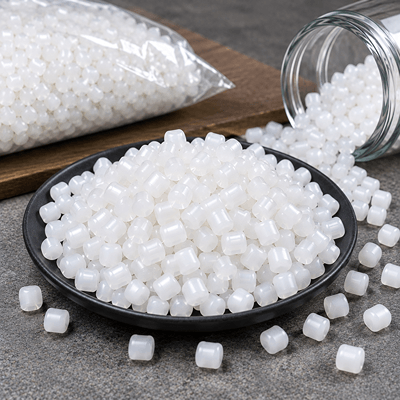


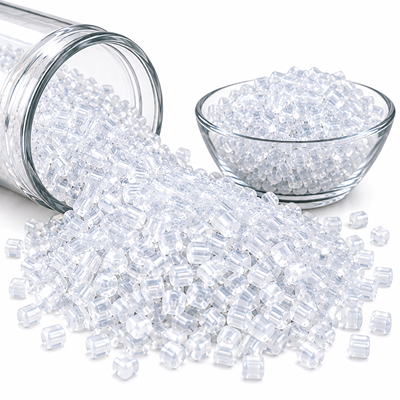
PC Granules Suppliers
Polycarbonate Resin is an engineering thermoplastic used in applications where a combination of impact resistance, dimensional stability, transparency or other material characteristics may be required.
Polycarbonate, commonly abbreviated as PC, can be processed into a wide range of molded and formed products. The appropriate grade depends on the manufacturing process, product design, required appearance and performance requirements.
Applications of Polycarbonate Resin
Polycarbonate Resin can be considered for a variety of applications, including:
-
Automotive components
-
Electrical and electronic parts
-
Lighting components
-
Protective housings
-
Industrial components
-
Consumer products
-
Glazing and transparent products
-
Appliance components
-
Optical-related products
-
General engineering applications
The selected grade should be matched to the specific product and processing requirements.
Polycarbonate Resin for Injection Molding
Injection molding is an important processing method for suitable polycarbonate grades. The material can be molded into complex components where dimensional accuracy, impact resistance and design flexibility are relevant.
Potential products include housings, electrical components, automotive parts, appliance components and consumer products. Mold design, processing conditions, product geometry and material grade should be evaluated together.
Polycarbonate for Electrical and Electronics Applications
Suitable PC grades can be used for electrical and electronic components such as housings, covers, connectors and other molded parts.
For applications involving electrical safety or specific regulatory requirements, buyers should verify the technical characteristics and applicable compliance requirements of the selected grade.
Polycarbonate for Automotive Components
Polycarbonate Resin can be considered for selected automotive applications where its engineering characteristics and processing behavior are appropriate.
Potential uses include interior components, housings, lighting-related parts and other molded components. The material should be evaluated according to temperature, mechanical, appearance and application-specific requirements.
Polycarbonate for Transparent Products
One notable feature of suitable polycarbonate grades is their potential for transparent or translucent applications.
Depending on the grade and product design, PC can be considered for transparent components, protective covers, glazing-related products and other applications where optical appearance is important.
Key Factors When Selecting Polycarbonate Resin
When sourcing Polycarbonate Resin, manufacturers should consider:
-
Intended application
-
Processing method
-
Required grade
-
Melt-flow characteristics
-
Impact requirements
-
Dimensional requirements
-
Transparency or appearance
-
Temperature conditions
-
Chemical exposure
-
Surface requirements
-
Regulatory requirements where applicable
-
Quantity and destination
The technical documentation for the selected grade should be reviewed before production.
Processing Polycarbonate Resin
Suitable Polycarbonate Resin grades can be processed using manufacturing methods such as injection molding and other appropriate thermoplastic processing technologies.
Processing conditions depend on the resin grade, equipment, mold design and finished-product requirements. Proper material preparation and processing control are important when manufacturing precision PC components.
Manufacturers should follow the technical recommendations provided for the specific grade rather than applying generic processing conditions to every polycarbonate material.
Polycarbonate Resin vs ABS Resin
Polycarbonate and ABS are both engineering thermoplastics, but they have different material characteristics and application profiles.
Polycarbonate is often considered where impact resistance, dimensional stability or transparency may be important. ABS is widely used for molded products where processing, appearance and balanced mechanical properties are required.
The better choice depends on the product design, processing method and required characteristics.
Polycarbonate Resin vs General Plastic Resins
Polycarbonate belongs to the engineering plastics category rather than commodity polyethylene or polypropylene materials.
Its selection is generally driven by specific product requirements rather than simply material availability. Buyers should compare the required mechanical, thermal, optical, processing and regulatory characteristics before choosing a resin.
Industries Using Polycarbonate Resin
Polycarbonate Resin can be relevant to manufacturers and converters in:
-
Automotive
-
Electrical and electronics
-
Appliances
-
Consumer products
-
Construction
-
Lighting
-
Industrial manufacturing
-
Safety and protective products
-
General engineering plastics
Why Source Polycarbonate Resin from FCI Germany GMBH?
FCI Germany GMBH supplies a portfolio of engineering plastics alongside commodity and specialty polymer materials.
For Polycarbonate Resin inquiries, buyers can provide the intended application, processing method, required characteristics, quantity and destination. This allows the material requirement to be evaluated before discussing suitable supply options.
Request Polycarbonate Resin
If you are sourcing Polycarbonate Resin for injection molding, automotive components, electrical products, transparent components, industrial parts or other engineering applications, contact FCI Germany GMBH with your requirements.
Share the intended application, processing method, approximate quantity and destination so your PC resin requirement can be evaluated appropriately.
FAQs About Polycarbonate Resin
What is Polycarbonate Resin used for?
Polycarbonate Resin is used for suitable engineering applications including automotive components, electrical and electronic parts, housings, consumer products, lighting components and transparent products.
What does PC stand for in plastics?
PC stands for Polycarbonate, an engineering thermoplastic used in a wide range of molded and formed products.
Can Polycarbonate Resin be injection molded?
Yes, suitable polycarbonate grades can be processed through injection molding to manufacture complex engineering and consumer components.
Is Polycarbonate Resin suitable for transparent products?
Certain polycarbonate grades are suitable for transparent or translucent applications. The specific grade should be selected according to the optical and product requirements.
What is the difference between Polycarbonate and ABS?
Polycarbonate and ABS have different material characteristics. Polycarbonate is often selected for applications requiring properties such as impact resistance or transparency, while ABS is widely used for balanced molded-product performance and processing characteristics.
Does FCI Germany GMBH supply Polycarbonate Resin internationally?
FCI Germany GMBH serves international buyers and can discuss Polycarbonate Resin requirements based on application, processing method, quantity and destination.