

PP Pellets Suppliers
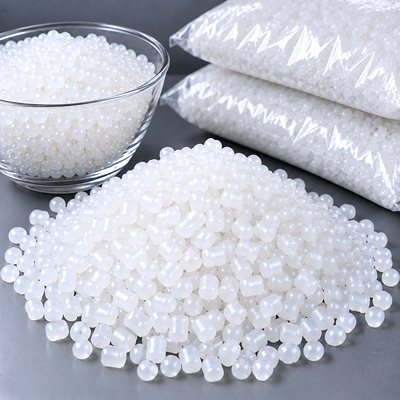
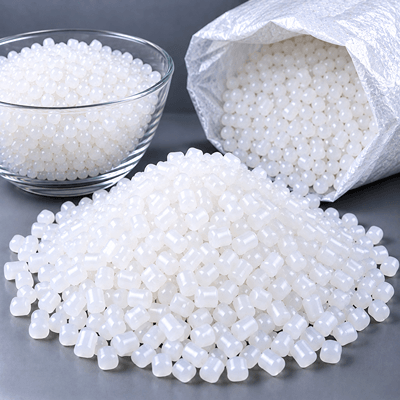
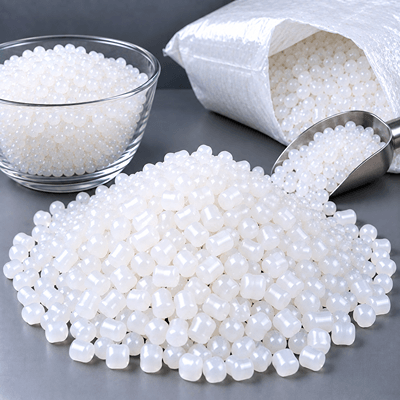
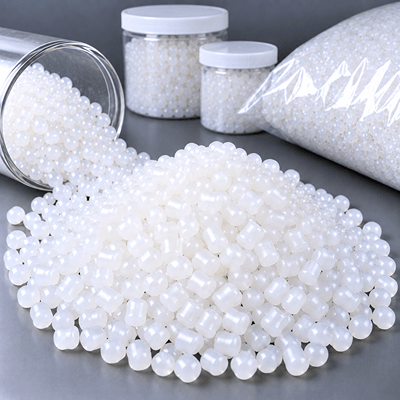
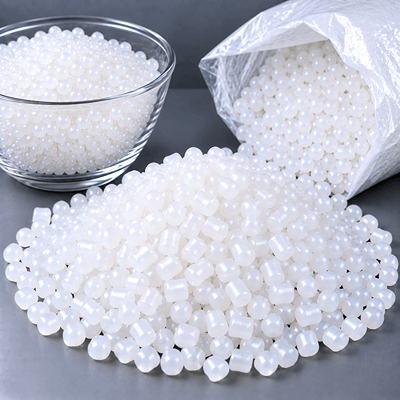
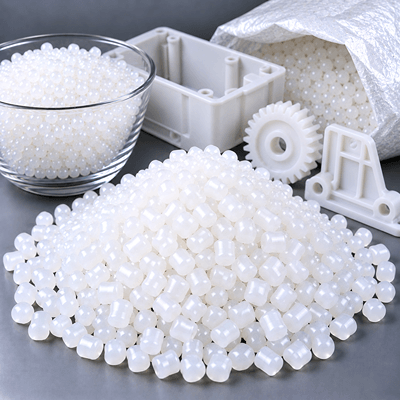
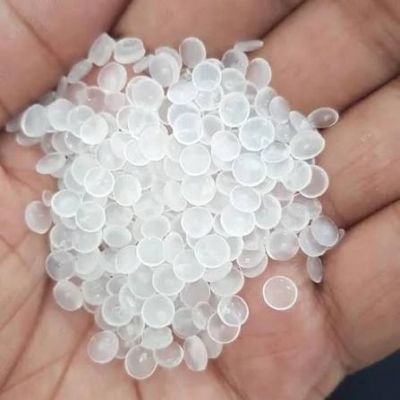
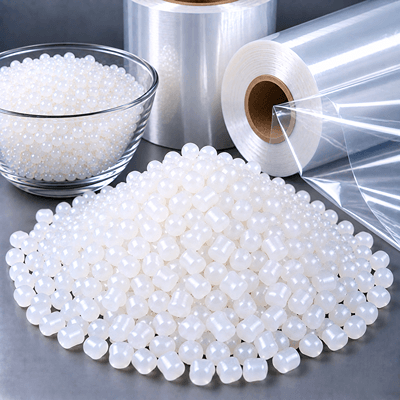
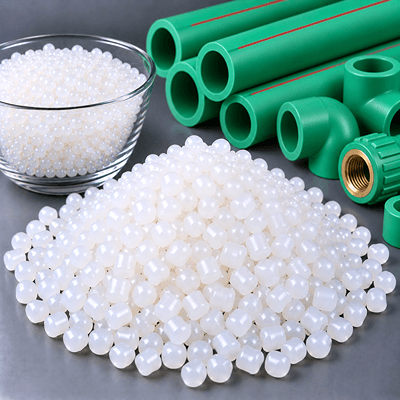
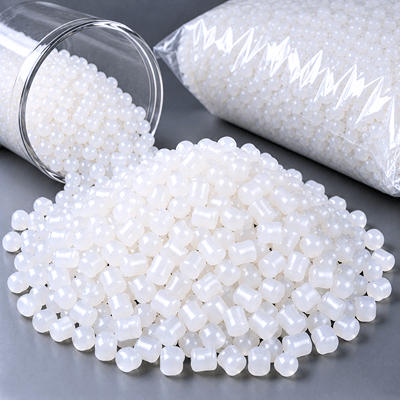
PP Pellets are small, solid forms of polypropylene used as a feedstock for plastic processing. Polypropylene pellets can be supplied in different grades, allowing manufacturers to select materials according to the intended processing method and finished-product requirements.
Depending on the specific grade, PP Pellets can be processed through injection molding, extrusion, film production, fiber manufacturing, raffia production and other suitable polypropylene conversion processes.
Applications of PP Pellets
PP Pellets can be used in the manufacture of a wide range of products, including:
-
Plastic containers
-
Packaging components
-
Caps and closures
-
Automotive parts
-
Household products
-
Industrial components
-
Films
-
Fibers and nonwoven materials
-
Woven bags and raffia products
-
Plastic fittings and molded products
The appropriate pellet grade depends on the application, processing equipment and required characteristics of the finished product.
PP Pellets for Injection Molding
Suitable PP Pellets can be used as feedstock for injection molding. During this process, the pellets are melted and injected into a mold to produce components with defined shapes and dimensions.
Applications can include containers, closures, household products, automotive components and industrial parts. Grade selection should consider melt-flow behavior, component geometry, mold design and processing requirements.
PP Pellets for Extrusion
PP Pellets can also be used in extrusion processes where molten polypropylene is formed continuously through a die. Depending on the selected grade, extrusion can support applications such as films, sheets, profiles, pipes and other polypropylene products.
The material should be selected according to the extrusion process and requirements of the finished product.
PP Pellets for Fiber and Raffia Manufacturing
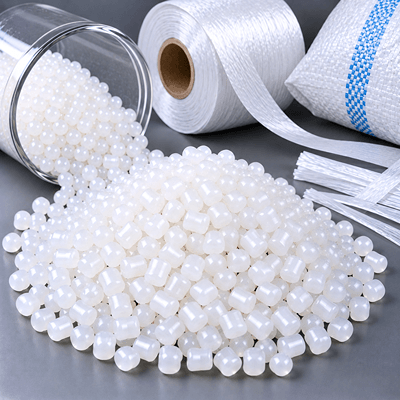
Certain PP pellet grades are formulated for applications such as fiber production, nonwoven manufacturing and raffia tape extrusion.
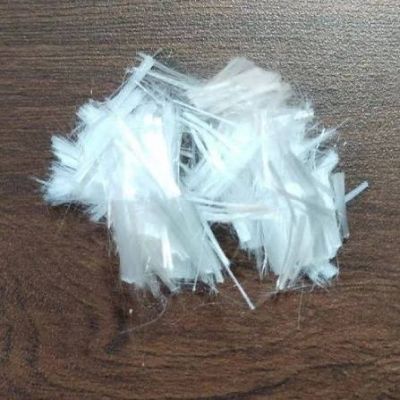
Fiber-oriented materials can be converted into polypropylene fibers and filaments, while suitable raffia grades can be processed into tapes used for woven bags, sacks and fabrics. The correct grade depends on the specific production process.
Processing Considerations
PP Pellets are processed using equipment suitable for the selected polypropylene grade. Processing conditions can vary according to the material, machine, mold or die design and finished-product requirements.
Manufacturers should refer to the technical information applicable to the selected grade and establish processing conditions appropriate for their equipment and production process.
How to Select the Right PP Pellets
When sourcing PP Pellets, buyers should consider:
-
Intended end product
-
Processing method
-
Required melt-flow characteristics
-
Injection or extrusion equipment
-
Product geometry
-
Stiffness and flexibility requirements
-
Impact requirements
-
Surface and appearance requirements
-
Virgin or recycled material requirements
-
Packaging and quantity requirements
Providing these details can help identify a pellet grade that is better aligned with the intended manufacturing process.
PP Pellets vs PP Granules
The terms PP Pellets and PP Granules are often used interchangeably in the plastics industry to describe small solid forms of polypropylene.
However, terminology can vary between suppliers and markets. For purchasing purposes, buyers should focus on the actual polymer grade, technical characteristics, processing method and required application rather than the naming convention alone.
PP Pellets vs PP Resin
PP Resin refers broadly to the polypropylene polymer material, while PP Pellets describe a physical form in which the material is supplied for processing.
A polypropylene resin can therefore be supplied in pellet form, but the exact grade and processing characteristics still need to be confirmed before purchase.
Industries Using PP Pellets
PP Pellets can be relevant to manufacturers and converters in:
-
Packaging
-
Automotive
-
Consumer products
-
Household goods
-
Textile and nonwoven manufacturing
-
Industrial manufacturing
-
Agriculture
-
Plastic injection molding
-
Plastic extrusion
-
Material handling
Why Source PP Pellets from FCI Germany GMBH?
FCI Germany GMBH offers a broad polypropylene portfolio covering resin, granules, pellets and application-oriented PP grades. PP Pellets provide a practical material form for manufacturers using polypropylene in different conversion processes.
Our approach focuses on understanding the intended application, processing method, quantity, destination and material requirements before discussing supply options. This helps buyers evaluate polypropylene materials according to their actual manufacturing needs.
Request PP Pellets
If you are sourcing PP Pellets for injection molding, extrusion, packaging, automotive components, fibers, raffia or other applications, contact FCI Germany GMBH with your requirements.
Share the intended application, processing method, required quantity and destination so suitable polypropylene pellet options can be evaluated.
FAQs About PP Pellets
What are PP Pellets used for?
PP Pellets are used as polypropylene feedstock for manufacturing products through processes such as injection molding, extrusion, film production, fiber production and raffia processing.
Are PP Pellets the same as PP Granules?
The terms are often used interchangeably, although terminology can vary between suppliers. Buyers should confirm the actual material grade and technical specifications.
Can PP Pellets be used for injection molding?
Yes. Suitable PP pellet grades can be used for injection molding containers, closures, automotive components, household products and industrial parts.
Can PP Pellets be used for extrusion?
Yes. Suitable grades can be processed through extrusion for films, sheets, profiles and other polypropylene products.
How do I choose the right PP Pellet grade?
Consider the intended application, processing method, melt-flow requirements, equipment, product design and required material characteristics.
Does FCI Germany GMBH supply PP Pellets internationally?
FCI Germany GMBH serves international buyers and can discuss PP Pellet requirements based on the application, quantity, destination and relevant material specifications.