

PPR Grade Suppliers
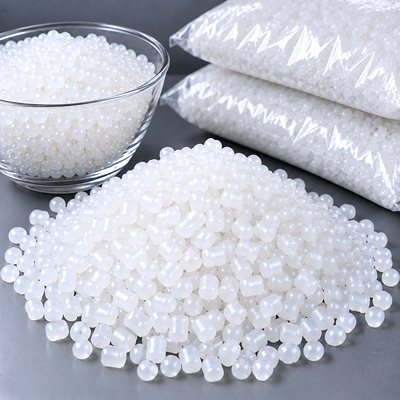
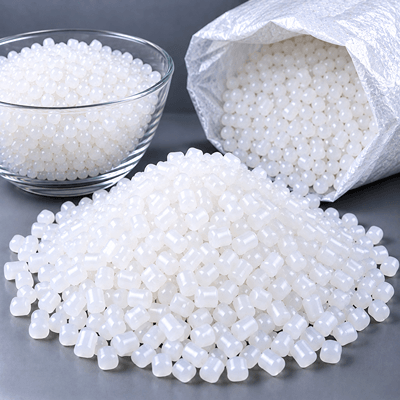
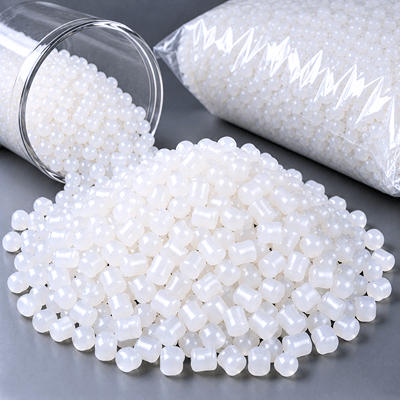
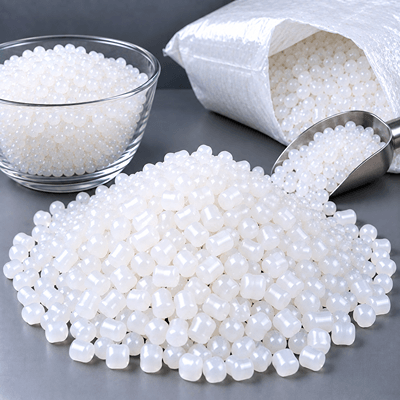
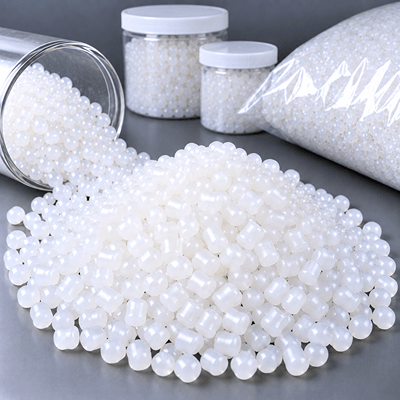
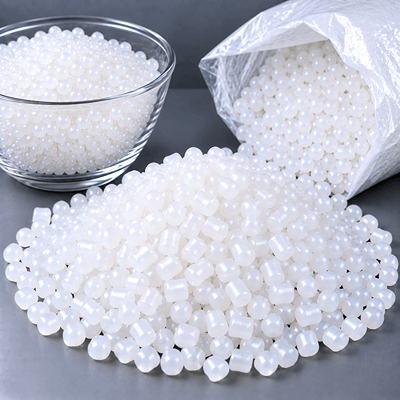
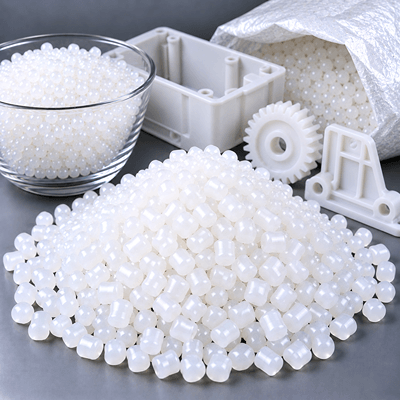
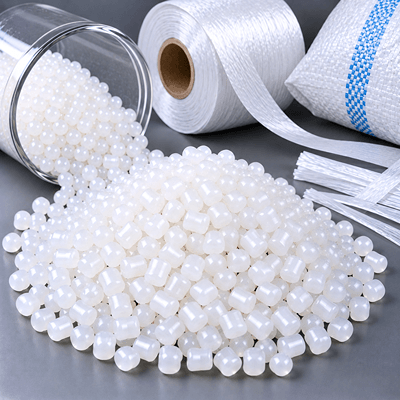
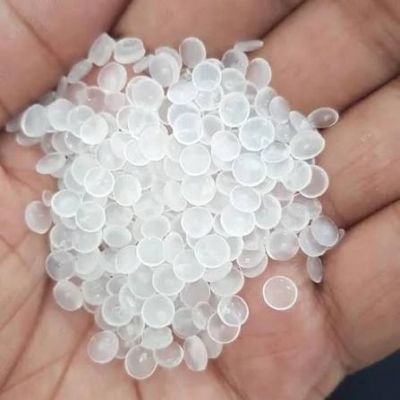
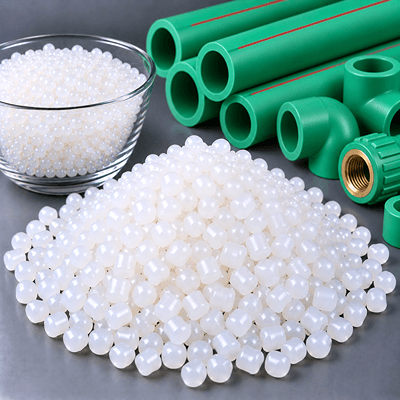
PPR Grade is a polypropylene random copolymer material used primarily for suitable pipe and fitting applications. PPR is valued for its processability and suitability for manufacturing piping systems designed for water distribution, plumbing and other applications.
FCI Germany GMBH supplies PPR Grade for pipe manufacturers, plumbing product producers, distributors and other international buyers.
Applications of PPR Grade
PPR Grade can be used to manufacture suitable products such as:
-
Hot- and cold-water pipes
-
Plumbing pipes
-
Pipe fittings
-
Water distribution systems
-
Building service piping
-
Industrial piping
-
Heating-related piping
-
Other polypropylene piping components
The appropriate material should be selected according to the intended service conditions, pipe design and applicable requirements.
PPR Grade for Water Pipes
PPR is widely associated with polypropylene piping systems used for water distribution. Suitable PPR Grade can be processed into pipes designed for plumbing and water-handling applications.
Material selection should consider factors such as operating temperature, pressure, pipe dimensions, installation conditions, joining method and applicable standards.
For potable-water applications, the specific material and finished piping system should meet the requirements applicable in the intended market.
PPR Grade for Hot-Water Systems
Suitable PPR materials can be used in piping systems designed for hot-water service. The actual suitability depends on the specific grade, pipe construction, operating temperature and pressure conditions.
Manufacturers should select the material and design the finished piping system according to the required service conditions and relevant technical requirements.
PPR Grade for Pipe Fittings
PPR Grade can also be used for manufacturing compatible fittings such as elbows, tees, couplers and other piping components.
A complete PPR piping system requires compatibility between the pipe, fittings, joining process and operating conditions. Material selection should therefore consider the complete system rather than an individual component alone.
PPR Grade Processing
PPR Grade is commonly processed through extrusion for pipe production and injection molding for suitable fittings.
A typical pipe manufacturing process can involve:
-
Material preparation
-
Melting and extrusion
-
Pipe forming
-
Sizing and cooling
-
Cutting
-
Inspection and finishing
Fittings can be produced through suitable injection molding processes.
Actual processing conditions depend on the PPR grade, equipment, pipe design and manufacturing requirements.
Selecting the Right PPR Grade
When sourcing PPR Grade, manufacturers should consider:
-
Intended piping application
-
Hot- or cold-water service
-
Operating temperature
-
Pressure requirements
-
Pipe dimensions
-
Fitting requirements
-
Extrusion or injection molding process
-
Joining method
-
Applicable standards and regulations
-
Required quantity
-
Destination market
Providing these details can help make material selection more relevant to the intended piping system.
PPR Grade vs Other Polypropylene Grades
PPR Grade is a polypropylene random copolymer material intended for suitable piping applications. Other polypropylene grades in the FCI Germany GMBH portfolio serve different manufacturing requirements.
PP Homopolymer, PP Copolymer, PP Injection Grade, PP Film Grade, PP Fiber Grade and PP Raffia Grade are selected according to their respective processing methods and end uses.
PPR should therefore be selected specifically for applications where its material characteristics and processing requirements are appropriate.
PPR Grade vs PVC Pipe Grade
PPR and PVC are different polymer materials used in various piping applications.
PPR is a polypropylene-based material commonly associated with hot- and cold-water plumbing systems, while PVC Pipe Grade is used in a wider range of rigid PVC piping applications.
The appropriate material depends on temperature, pressure, fluid, installation conditions, joining method, product design and applicable standards.
Industries Using PPR Grade
PPR Grade can be relevant to:
-
Pipe manufacturers
-
Plumbing product manufacturers
-
Building-material suppliers
-
Water distribution businesses
-
Construction companies
-
Heating-system suppliers
-
Industrial piping manufacturers
-
Pipe fitting producers
-
Plastic extrusion companies
-
Plumbing distributors
Why Source PPR Grade from FCI Germany GMBH?
FCI Germany GMBH provides international sourcing support for polypropylene and other polymer materials. Buyers can discuss PPR Grade requirements according to the intended application, processing method, quantity and destination.
Providing details about the pipe system, operating conditions and manufacturing process helps create a more focused material inquiry.
Request PPR Grade
If you are sourcing PPR Grade for pipes, fittings, plumbing, water distribution or other piping applications, contact FCI Germany GMBH with your requirements.
Share your intended application, pipe or fitting requirements, quantity and destination market to discuss suitable PPR material supply options.
FAQs About PPR Grade
What is PPR Grade?
PPR Grade is polypropylene random copolymer material commonly used for suitable pipe and fitting applications.
What is PPR used for?
PPR is used for suitable hot- and cold-water pipes, plumbing systems, fittings, water distribution and selected industrial piping applications.
Can PPR Grade be used for hot-water pipes?
Suitable PPR Grade can be used for hot-water piping when the specific material, pipe design and finished system meet the required operating conditions.
How is PPR Grade processed?
PPR is commonly processed through extrusion for pipes and injection molding for suitable fittings.
What is the difference between PPR and PVC?
PPR is based on polypropylene random copolymer, while PVC is polyvinyl chloride. They have different material characteristics, processing methods and application considerations.
Can PPR Grade be used for potable-water systems?
Suitable PPR materials can be used in potable-water applications where the specific material and finished piping system meet the applicable requirements of the destination market.
What should I consider when buying PPR Grade?
Consider the intended application, temperature, pressure, pipe dimensions, processing method, joining system, applicable standards, quantity and destination market.
Does FCI Germany GMBH supply PPR Grade internationally?
FCI Germany GMBH serves international buyers and can discuss PPR Grade requirements according to the application, quantity and destination.