

SEBS Polymer Suppliers
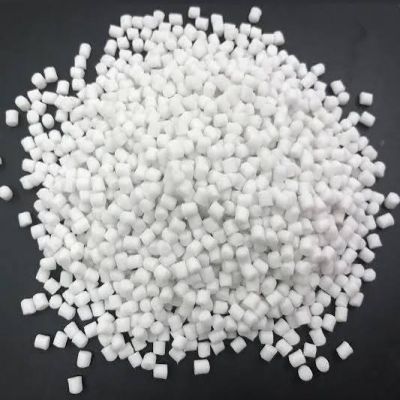
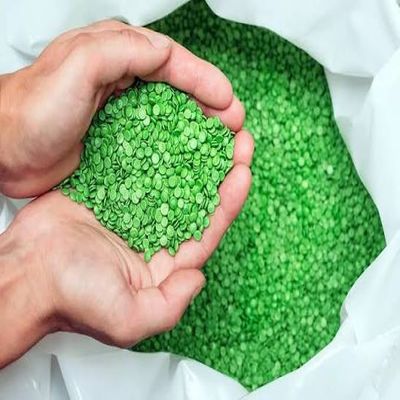
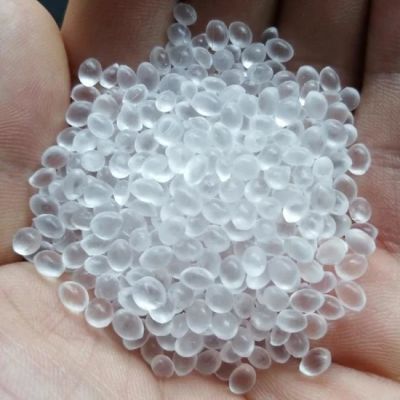
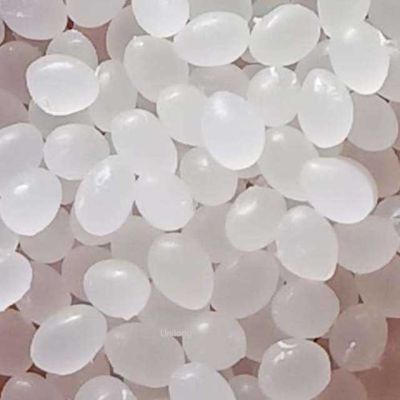
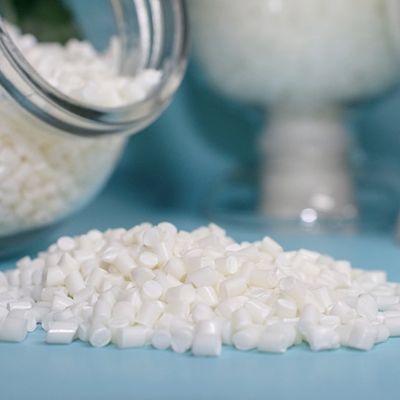
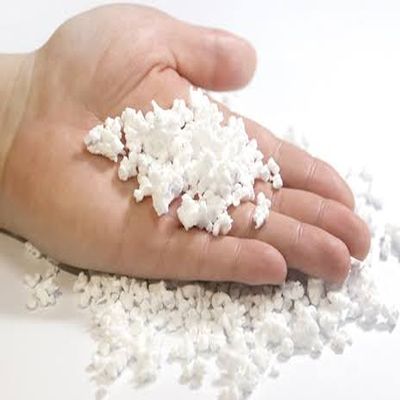
SEBS Polymer, or Styrene-Ethylene-Butylene-Styrene, is a thermoplastic elastomer used in applications requiring a combination of flexibility, elasticity, and thermoplastic processing characteristics.
SEBS is produced through modification of styrene-based block polymer structures and is used in a range of flexible and soft-touch products. Its properties can make it suitable for applications where manufacturers want rubber-like behavior while retaining the processing advantages associated with thermoplastic materials.
FCI Germany GMBH supplies SEBS Polymer for manufacturers, processors, distributors, and businesses evaluating specialty polymer materials.
Why Use SEBS Polymer?
SEBS can be considered when an application requires flexible or elastomeric characteristics together with suitable thermoplastic processing.
Potential advantages include:
-
Flexible and elastomeric behavior
-
Suitable thermoplastic processing
-
Soft-touch applications
-
Potential compatibility with selected formulations
-
Use in molded and extruded products
-
Suitability for selected consumer and industrial applications
The appropriate SEBS material depends on the formulation, processing method, and requirements of the finished product.
Applications of SEBS Polymer
SEBS Polymer can be used in various applications where its flexible and elastomeric characteristics are appropriate.
Potential applications include:
-
Soft-touch consumer products
-
Grips and handles
-
Seals and gaskets
-
Flexible components
-
Automotive interior components
-
Household products
-
Medical and healthcare-related products where suitable
-
Adhesive and sealant formulations
-
Wire and cable-related applications
-
Modified polymer compounds
The suitability of SEBS should be evaluated according to the specific product and manufacturing process.
SEBS for Soft-Touch Products
SEBS is often considered for products requiring a softer surface feel or flexible component.
It can be used in suitable grips, handles, consumer products, and molded components where tactile characteristics are important.
For products involving direct skin contact or specialized regulatory requirements, the specific material and finished product should be evaluated against the applicable requirements.
SEBS in Automotive Applications
SEBS Polymer can be considered for selected automotive components where flexible or elastomeric characteristics are required.
Potential uses include interior components, grips, seals, protective elements, and other flexible parts.
Material selection should take into account the operating environment, temperature exposure, chemical contact, durability requirements, and manufacturing process.
SEBS for Seals and Flexible Components
The elastomeric characteristics of SEBS make it suitable for evaluating in selected seals, gaskets, flexible profiles, and related products.
The actual suitability depends on the application's requirements, including compression behavior, environmental exposure, temperature, chemical contact, and expected service life.
SEBS Processing
SEBS can be processed using suitable thermoplastic manufacturing methods.
Depending on the formulation and finished product, processing may include:
-
Injection molding
-
Extrusion
-
Compounding
-
Overmolding
-
Blending
-
Other suitable thermoplastic processes
Processing conditions should be established according to the specific SEBS material and formulation rather than applying generic conditions from unrelated polymer families.
SEBS Polymer and Formulation
SEBS can be combined with selected polymers, oils, fillers, additives, and other materials to achieve different formulation characteristics.
The final formulation depends on the desired hardness, flexibility, surface characteristics, processing behavior, and application requirements.
Manufacturers should evaluate compatibility and processing behavior when developing a SEBS-based formulation.
Selecting the Right SEBS Polymer
Selecting SEBS begins with understanding the finished product and its operating environment.
Important considerations include:
-
Intended application
-
Processing method
-
Required flexibility
-
Desired hardness or softness
-
Surface characteristics
-
Temperature exposure
-
Chemical and environmental exposure
-
Required durability
-
Compatibility with other formulation components
-
Applicable regulatory requirements
-
Required quantity
-
Delivery destination
Providing these details helps establish the appropriate material requirement.
SEBS Compared With Other Thermoplastic Elastomers
SEBS is one of several thermoplastic elastomer options available to manufacturers.
Depending on the application, businesses may also evaluate TPE, TPV, TPU, or SBS Polymer. These materials have different structures and characteristics, so the best choice depends on the required flexibility, processing method, durability, surface properties, and operating conditions.
Material selection should therefore be based on the finished product rather than simply choosing a polymer from the same broad category.
Why Source SEBS Polymer from FCI Germany GMBH?
FCI Germany GMBH supplies SEBS Polymer as part of its specialty polymer portfolio.
We focus on understanding the customer's application, processing method, material requirements, quantity, and destination before discussing suitable sourcing options.
Our specialty polymer range also includes TPE, TPV, TPU, and SBS Polymer, allowing manufacturers to evaluate different elastomeric materials according to their specific requirements.
Request a SEBS Polymer Inquiry
If you are looking for SEBS Polymer for flexible components, soft-touch products, seals, automotive applications, consumer goods, or another suitable use, contact FCI Germany GMBH with your requirements.
Please include the intended application, processing method, required quantity, destination, and any important material or performance requirements.
Frequently Asked Questions
What is SEBS Polymer?
SEBS Polymer is a thermoplastic elastomer based on Styrene-Ethylene-Butylene-Styrene and is used for flexible, elastomeric, and soft-touch applications.
What is SEBS used for?
SEBS can be considered for grips, handles, seals, gaskets, flexible components, automotive parts, consumer products, and selected adhesive or sealant formulations.
Can SEBS be injection molded?
Yes. Suitable SEBS materials can be processed through injection molding and other thermoplastic manufacturing methods.
Can SEBS be extruded?
Yes. SEBS can be processed through suitable extrusion processes for flexible profiles, tubing, and other products.
What is the difference between SEBS and SBS?
SEBS has an ethylene-butylene middle block, while SBS has a butadiene middle block. This structural difference gives the materials different characteristics and suitability for various applications.
Is SEBS a thermoplastic elastomer?
Yes. SEBS is a thermoplastic elastomer, combining elastomeric characteristics with thermoplastic processing capabilities.
What should I consider when buying SEBS Polymer?
Consider the application, processing method, required flexibility and hardness, surface characteristics, environmental exposure, formulation requirements, quantity, and destination.
What other thermoplastic elastomers does FCI Germany GMBH supply?
FCI Germany GMBH also supplies TPE, TPV, TPU, and SBS Polymer as part of its specialty polymer portfolio.
How can I request SEBS Polymer from FCI Germany GMBH?
Contact FCI Germany GMBH with your application, processing method, required quantity, destination, and material requirements to discuss suitable sourcing options.