

Polypropylene in Modern Manufacturing: Applications, Properties and Material Selection
2026-10-05
Polypropylene is one of the widely used thermoplastic polymers in modern manufacturing. Its combination of low density, useful chemical resistance, processability, and versatility makes it suitable for products across packaging, automotive, consumer goods, textiles, construction, and industrial applications.
Different polypropylene grades are developed for different processing methods and end uses, so understanding the material and its applications is important when selecting the right grade.
What Is Polypropylene?
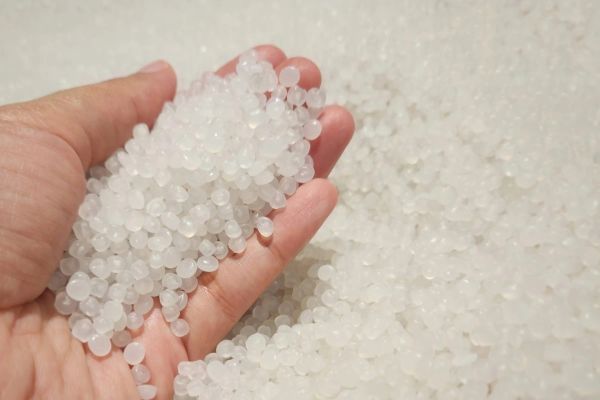
Polypropylene, commonly abbreviated as PP, is a thermoplastic polymer produced from propylene. It can be processed using several manufacturing methods and is available in different forms and grades.
Depending on the grade, polypropylene can be supplied as resin, granules, or pellets and may be designed for applications such as injection molding, film production, fiber manufacturing, raffia products, and other conversion processes.
Why Is Polypropylene Widely Used?
One reason for the widespread use of polypropylene is its versatility. Manufacturers can process different PP grades into a broad range of products while achieving useful combinations of weight, durability, flexibility, and processing efficiency.
Polypropylene can also be incorporated into products with different shapes, thicknesses, surface finishes, and functional requirements, making it relevant across both consumer and industrial manufacturing.
Polypropylene for Packaging
Packaging is one of the major application areas for polypropylene.
PP can be used in containers, closures, packaging components, films, flexible packaging structures, and other products. Depending on the selected grade and manufacturing process, polypropylene can provide useful combinations of stiffness, impact performance, lightweight construction, and processing characteristics.
Film-oriented PP grades are particularly relevant to manufacturers producing flexible packaging and related film products.
Polypropylene in Automotive Manufacturing
Automotive manufacturers use polypropylene in a variety of components where lightweight construction and practical material performance are important.
Depending on the application and grade, PP may be considered for interior components, trim parts, housings, storage components, protective parts, and other vehicle applications.
Reducing component weight can also be an important consideration in automotive design, making lightweight thermoplastics relevant to modern vehicle manufacturing.
PP for Fibers and Textiles
Polypropylene is also used in fiber and textile-related manufacturing.
PP fiber grades can be processed into fibers, filaments, nonwoven materials, ropes, technical textiles, and other products. Material selection depends on the required strength, flexibility, processing behavior, and characteristics of the finished product.
Manufacturers should therefore select a grade according to the specific fiber or textile production process.
Polypropylene in Film Production
Film production requires polymers with processing characteristics suited to the intended film structure and manufacturing technology.
PP film grades can be used for packaging films and other flexible products where stiffness, clarity, strength, sealing characteristics, or other properties may be relevant.
The final performance depends on the selected grade, processing conditions, film structure, additives, and product design.
Injection Molding Applications
Injection molding is another important application area for polypropylene.
PP injection grades can be processed into containers, household products, automotive components, electrical parts, industrial products, and many other molded items.
Manufacturers evaluating an injection molding grade should consider factors such as product geometry, required stiffness, impact performance, cycle conditions, surface requirements, and other production parameters.
PP Homopolymer and Copolymer Grades
Polypropylene is available in different polymer structures, including homopolymer and copolymer grades.
PP homopolymer is commonly selected where stiffness and other material characteristics are important. Copolymer grades can offer different performance characteristics depending on their composition and intended application.
The choice between these material types should be based on the specific requirements of the finished product rather than on the polymer name alone.
PP Raffia Grade
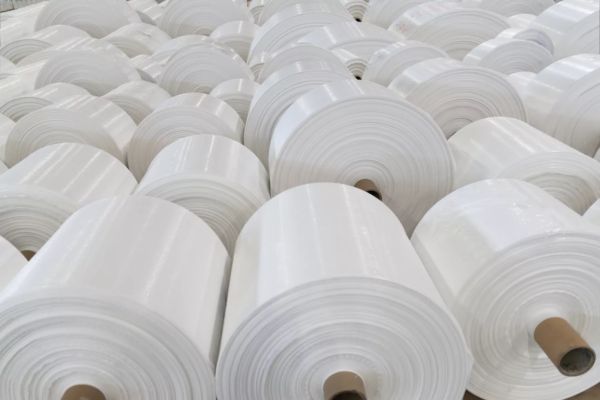
Raffia-grade polypropylene is used in manufacturing applications involving woven products and related structures.
It can be relevant to products such as woven sacks, bags, industrial fabrics, and other applications where suitable processing and mechanical characteristics are required.
The exact grade should be evaluated according to the manufacturing process and finished-product requirements.
Choosing the Right PP Grade
Selecting polypropylene should begin with the manufacturing process and end-use requirements.
Important considerations can include:
-
Manufacturing process
-
Product design
-
Required stiffness and flexibility
-
Impact requirements
-
Film or fiber requirements
-
Operating environment
-
Appearance requirements
-
Processing conditions
-
Required quantity
-
Technical specifications
Reviewing these factors helps manufacturers narrow the range of suitable polypropylene materials before purchasing.
Polypropylene and Sustainable Manufacturing
Polypropylene can also be part of material-efficiency and recycling strategies. Products manufactured from PP can enter recycling streams where suitable collection and processing systems exist.
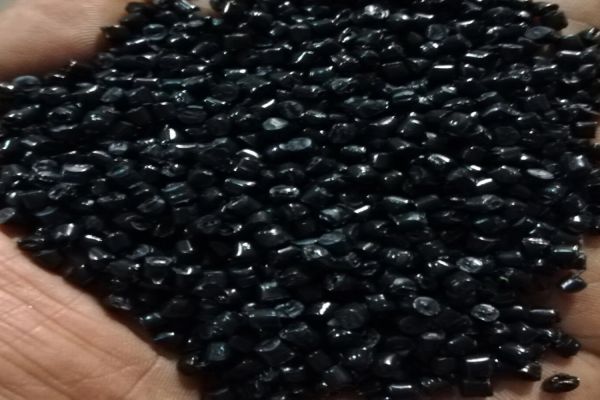
Recycled PP may subsequently be considered for appropriate manufacturing applications, depending on its characteristics and the requirements of the intended product.
Using recycled material requires careful evaluation of quality, consistency, processing behavior, and application suitability.
Sourcing Polypropylene for Manufacturing
For international buyers, sourcing the correct PP grade requires more than simply identifying polypropylene as the required polymer. The specific application, processing method, grade, quantity, destination, and technical requirements can all influence the purchasing decision.
FCI Germany GMBH provides a portfolio of polypropylene materials including PP resin, PP granules, PP pellets, homopolymer, copolymer, random copolymer, injection grade, raffia grade, fiber grade, film grade, BOPP grade PP, and PPR grade.
Businesses can review the available PP materials according to their manufacturing requirements and contact FCI Germany GMBH for product and sourcing inquiries.
Conclusion
Polypropylene is a versatile thermoplastic used across numerous manufacturing sectors. Its different grades allow manufacturers to select materials according to specific processing methods and product requirements.
Whether the application involves packaging, automotive components, films, fibers, consumer products, or industrial manufacturing, careful grade selection remains essential for achieving the desired balance of processing performance and finished-product characteristics.