

Virgin vs Recycled Plastics: Understanding the Differences for Manufacturing
2026-09-26
Plastic materials are available in many forms, grades, and sources, giving manufacturers different options when selecting materials for production. Two broad categories commonly considered are virgin plastics and recycled plastics.
Understanding the differences between these materials can help manufacturers, distributors, and industrial buyers make more informed decisions based on application requirements, processing conditions, product specifications, and material objectives.
What Are Virgin Plastics?
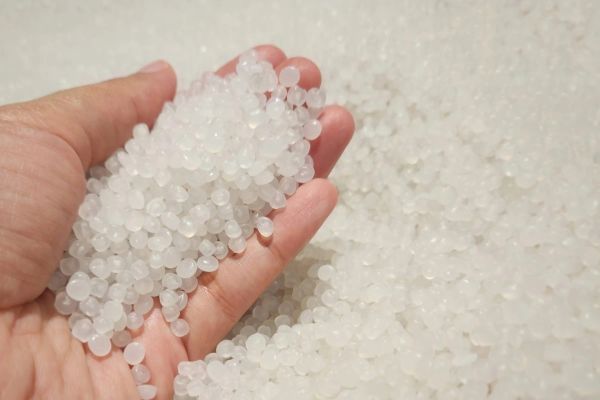
Virgin plastics are polymer materials produced from newly manufactured polymer feedstock rather than previously processed plastic products. They are commonly supplied as resins, granules, or pellets for conversion into finished products.
Virgin materials are widely used when manufacturers require consistent material characteristics and predictable processing behavior. Depending on the polymer and grade, virgin materials can be used in packaging, construction, automotive components, electrical products, consumer goods, industrial parts, films, pipes, fibers, and other applications.
What Are Recycled Plastics?
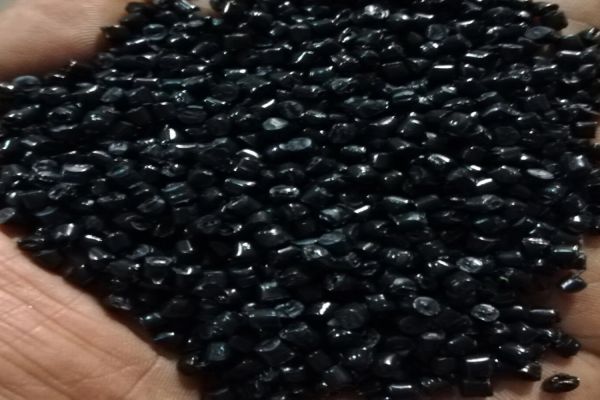
Recycled plastics are materials recovered from previously used or processed plastic products and converted into usable polymer feedstock.
Recycled materials can include products such as recycled HDPE, recycled LDPE, recycled LLDPE, recycled PP, recycled ABS, recycled PVC, and recycled PET. Their characteristics can vary depending on the original material, collection process, sorting, cleaning, processing, and recycling method.
For suitable applications, recycled polymers can provide manufacturers with an alternative material option while incorporating recovered plastic into new production cycles.
Key Difference Between Virgin and Recycled Materials
The main difference is the source and processing history of the material.
Virgin polymer has not previously been processed into a finished plastic product, while recycled polymer has undergone at least one previous material-use or processing cycle.
This history can influence characteristics such as consistency, appearance, processing behavior, and suitability for particular applications. The actual difference depends heavily on the specific polymer, recycling process, grade, and quality requirements.
Material Consistency
Consistency is an important consideration when selecting a polymer for manufacturing.
Virgin materials are generally produced to defined specifications for their intended grade. Recycled materials may show greater variation depending on the source and processing history of the feedstock.
For this reason, manufacturers considering recycled materials should evaluate the available technical information and confirm that the material is suitable for the intended manufacturing process and finished product.
Processing Considerations
Both virgin and recycled polymers can be processed using established plastic manufacturing technologies, but processing conditions may differ according to the specific grade.
Injection molding, extrusion, film production, blow molding, and other processes require suitable material characteristics. Manufacturers should therefore assess melt behavior, processing requirements, moisture considerations, contamination risk, and other relevant factors before using a recycled material in production.
Application Suitability
Neither virgin nor recycled plastic is automatically suitable for every application. Material selection should begin with the requirements of the finished product.
For example, packaging, automotive components, construction products, industrial parts, consumer goods, and other applications can have different requirements for appearance, strength, durability, dimensional stability, chemical resistance, and processing performance.
The most appropriate material depends on the product specification rather than simply whether the polymer is virgin or recycled.
Recycled PET and Packaging Applications
Recycled PET is one example of a recycled polymer used in selected packaging and other applications. PET is widely recognized for applications involving bottles, containers, films, fibers, and related products.
When recycled PET is being considered, manufacturers should evaluate the specific grade and available technical information against the requirements of the intended application and production process.
Recycled Polyolefins
Recycled polyethylene and polypropylene can also be relevant to manufacturing applications.
Recycled HDPE, LDPE, LLDPE, and PP may be considered for suitable products where the material characteristics align with the requirements of the manufacturing process and finished product.
The appropriate choice depends on the recycled grade, processing history, product design, and required performance.
Cost and Material Selection
Material cost is naturally an important factor in polymer purchasing, but it should not be the only consideration.
A lower material price may not provide an overall advantage if the polymer creates processing difficulties, additional production losses, inconsistent product quality, or other manufacturing challenges.
A better purchasing decision considers the relationship between material cost, processing performance, product requirements, and overall manufacturing efficiency.
How Manufacturers Can Evaluate Recycled Polymers
Before purchasing recycled polymer materials, buyers should consider several factors:
-
Polymer type and grade
-
Source and processing history
-
Available technical specifications
-
Appearance and consistency
-
Moisture and contamination considerations
-
Processing method
-
Intended application
-
Required mechanical performance
-
Quantity requirements
-
Destination and logistics requirements
Where the application is technically demanding, manufacturers should conduct appropriate trials and validation before moving to larger-scale production.
Choosing the Right Material for Your Business
Virgin and recycled plastics can both have an important role in modern manufacturing. The right choice depends on the requirements of the product, production process, technical specifications, and purchasing objectives.
FCI Germany GMBH offers a broad portfolio of polymer materials, including virgin polymers, recycled plastics, specialty polymers, engineering plastics, masterbatch, fillers, and additives.
Businesses can explore the available material categories according to their manufacturing requirements and contact FCI Germany GMBH to discuss specific polymer sourcing needs.
Conclusion
Virgin and recycled plastics should not be viewed simply as competing material categories. Each can serve different manufacturing requirements, and the suitability of a material depends on its properties, grade, processing history, application, and technical requirements.
By evaluating these factors carefully, manufacturers can make more informed polymer purchasing decisions and select materials that align with their production processes and finished-product expectations.